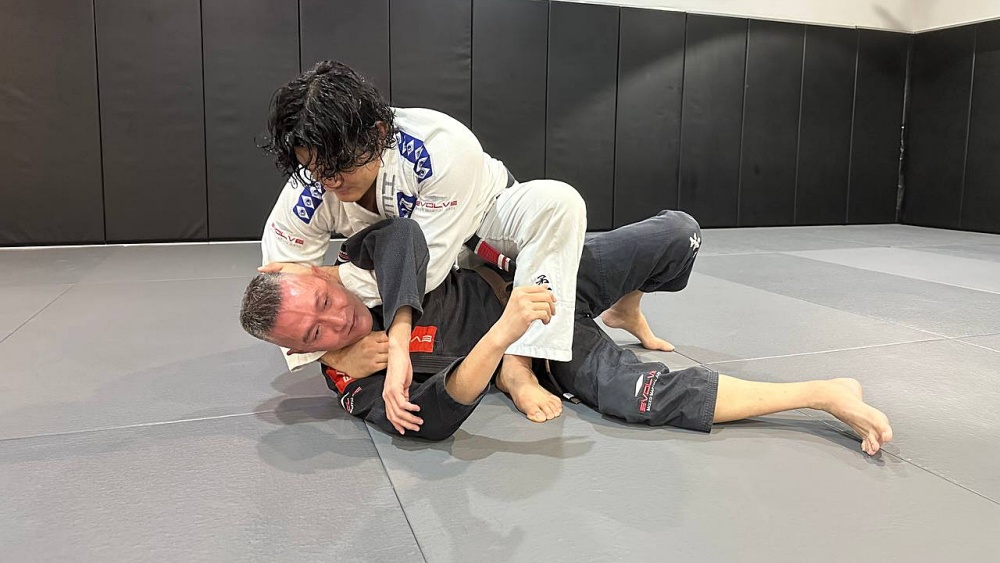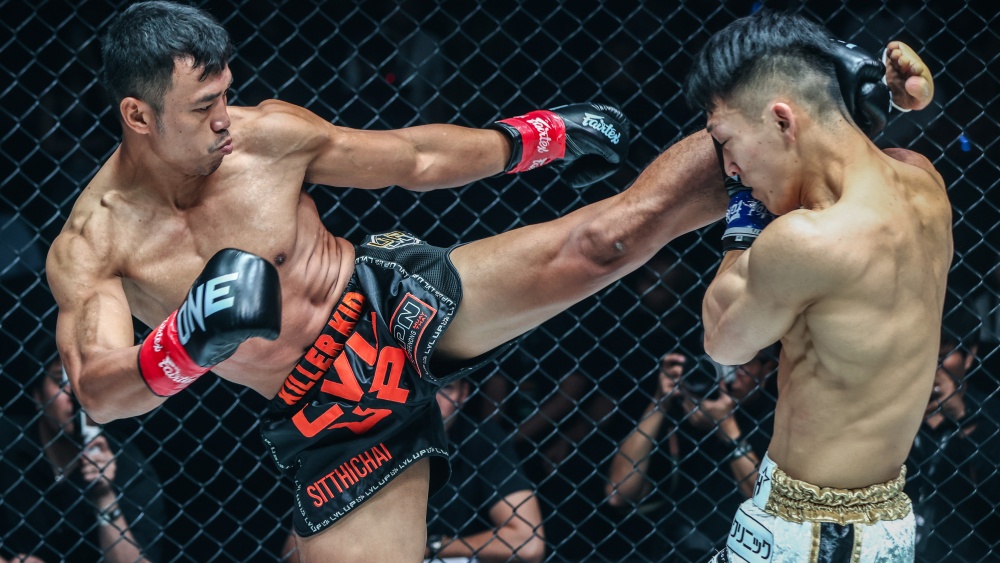
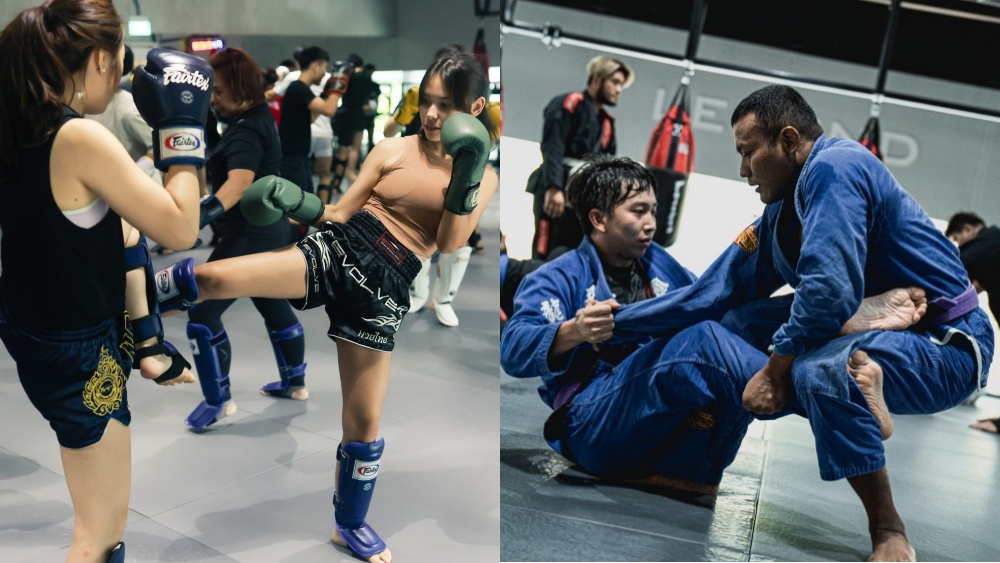
In martial arts, you’ll often come across a wide range of terms used during training. But when you hear the word sparring, what comes to mind? It means stepping into the training space with another person to apply your skills in a realistic setting. But how sparring works varies greatly between disciplines like BJJ, Boxing, Muay Thai, and MMA. Each style uses it to build skill, fitness, and mental agility without focusing on harm or fear.
Many beginners might think sparring is intimidating, but it is often the opposite. Sparring is fun, controlled, and safe, especially in a setting where it is guided by coaches and done with training partners who are there to learn alongside you. That being said, let’s dive into how sparring works in each art and why it matters.
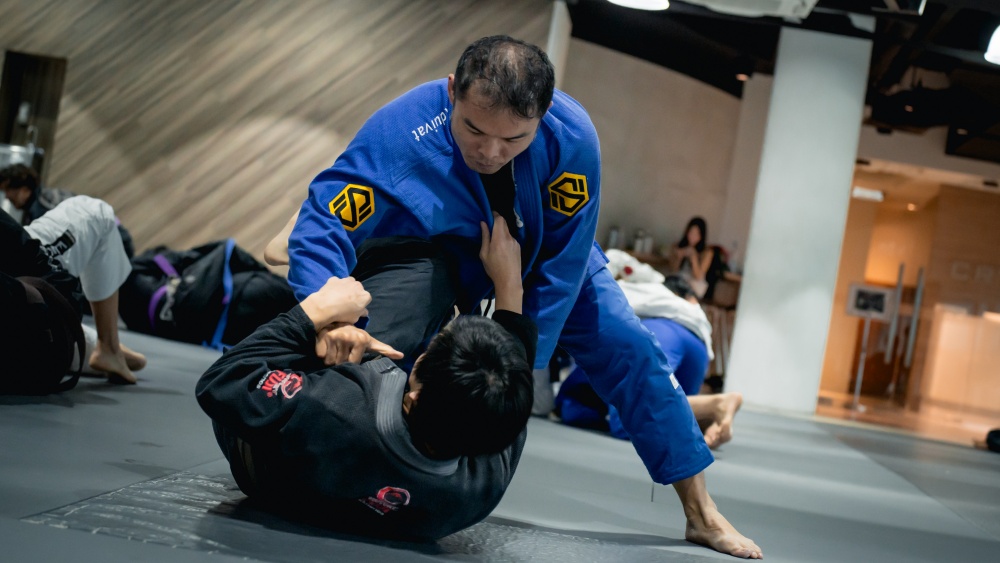
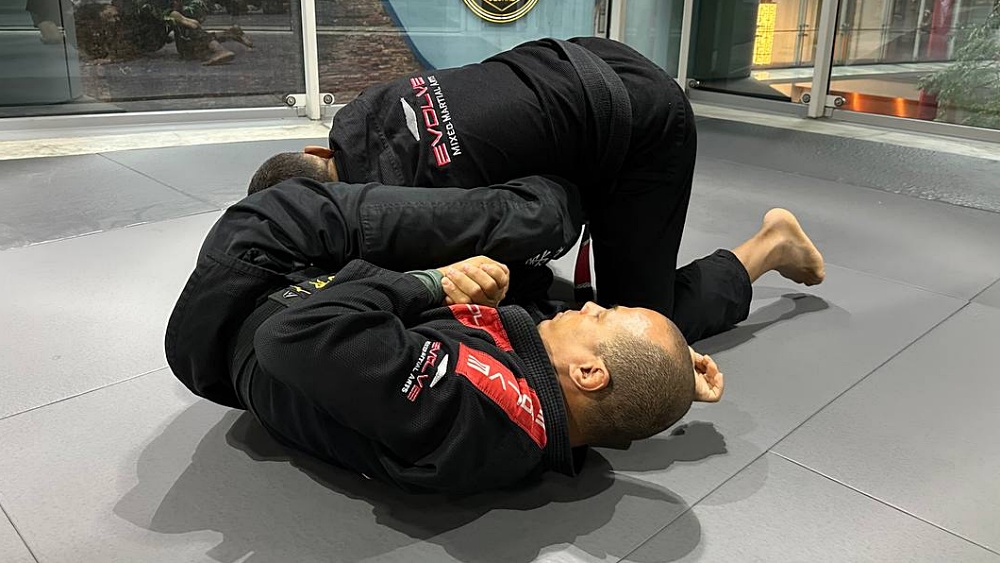
In BJJ, sparring is also often referred to as ‘rolling‘. It is a dynamic and controlled way to practice techniques on the ground. Rounds usually begin from either a standing or seated position, depending on the focus of the class. The goal is to apply what was taught during the lesson, working with your partner to improve positioning, stay balanced, and look for opportunities to use submissions like armbars or chokes. Rolling usually lasts between five to seven minutes and often ends when one person secures a dominant position or a tap occurs, signaling that the round is over.
Rolling helps improve problem-solving, timing, and positional awareness. Coaches may guide students to focus on specific positions, such as practising escapes from the bottom mount or guard passes. This live drilling teaches students to stay calm under pressure and react smoothly, much like playing chess with their bodies.
2) Boxing
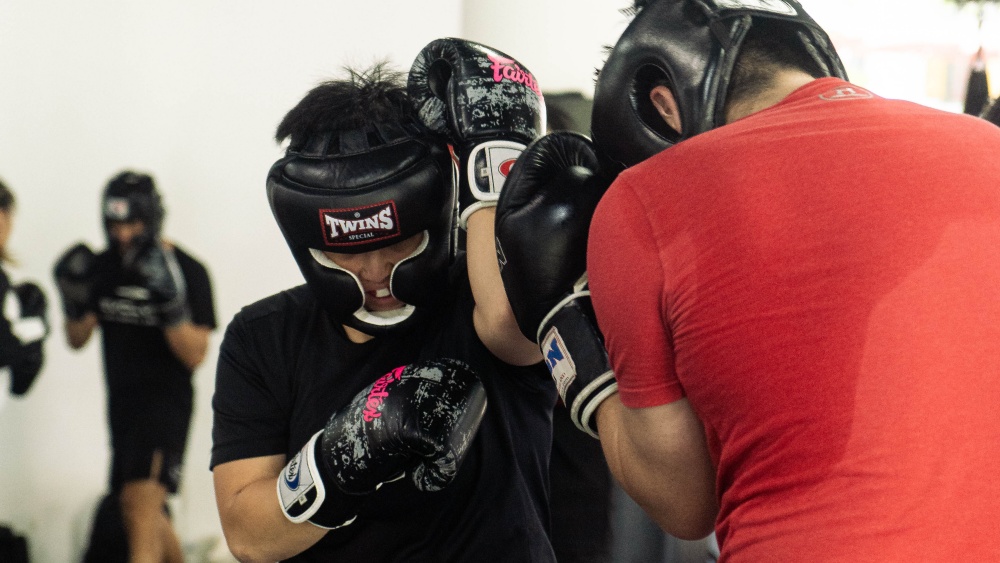
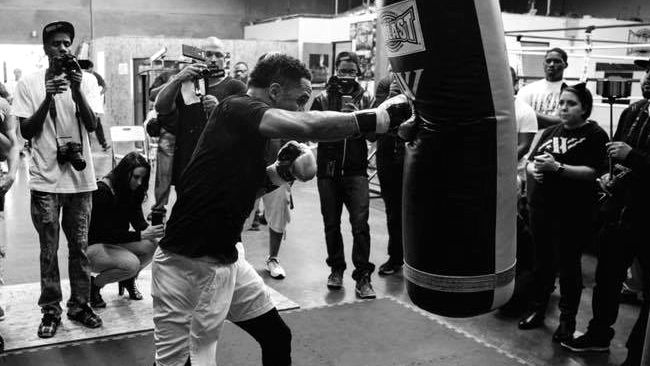
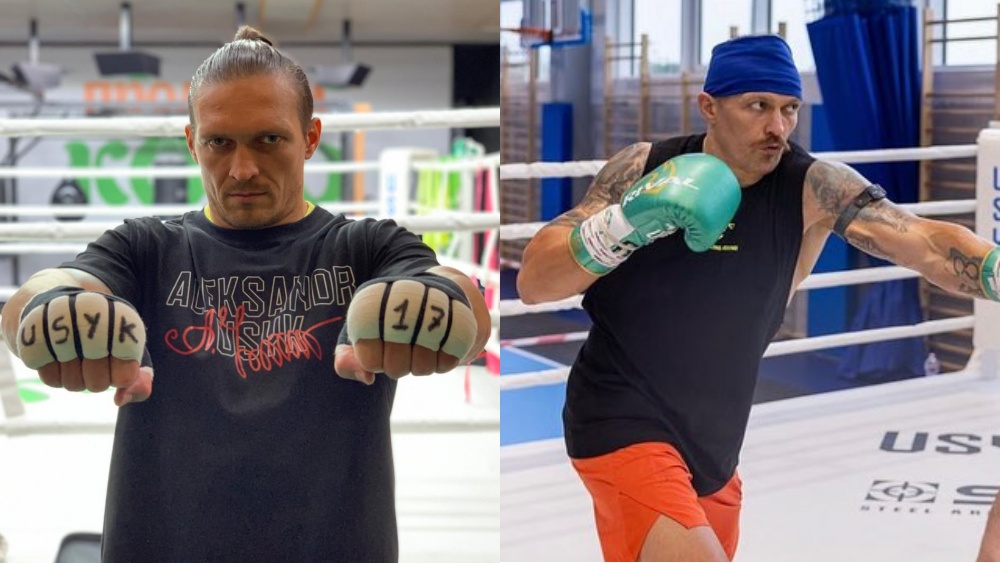
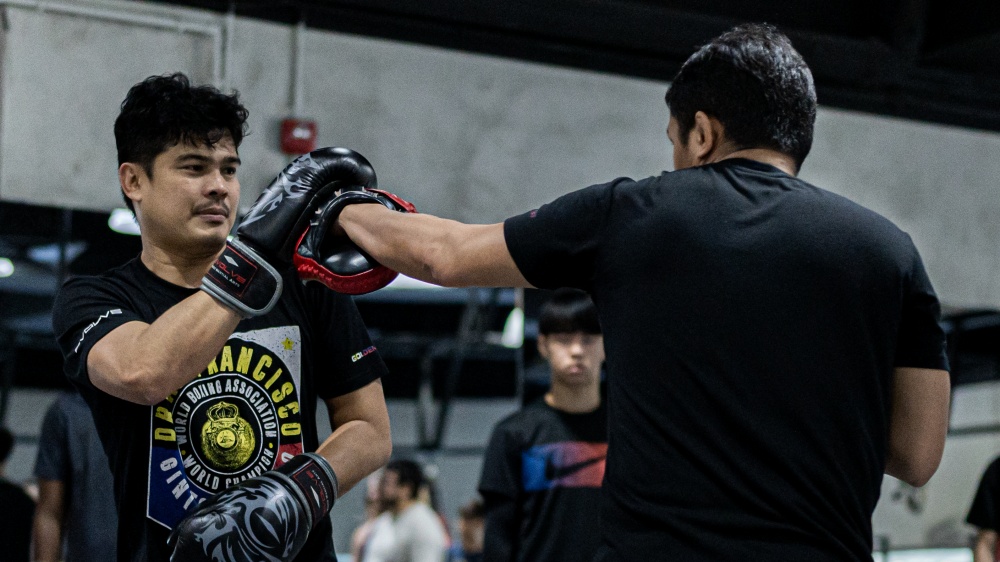
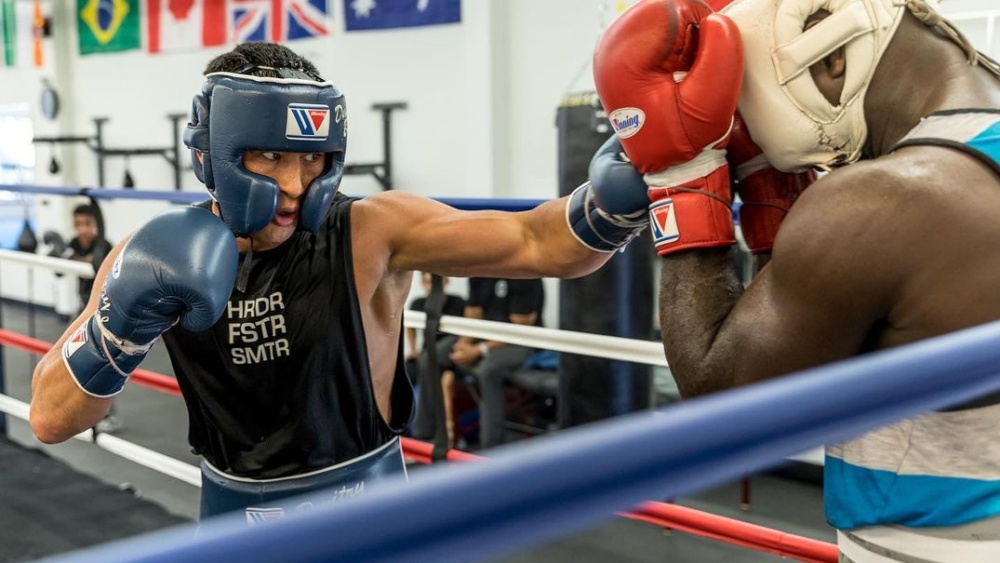
Boxing sparring is all about timing, footwork, and precision. As much as many believe it is the punches that define boxing, it is often the movements and rhythm that shape the outcome. Partners usually wear gloves, headgear, and mouth guards during sparring. The focus is on combining techniques and building awareness, not just going head-to-head. You’ll hear coaches call combinations like one-two-three as you move, dodge, and shift your weight.
Sparring in boxing can typically last between two to three minutes per round. Students usually practice light contact to mimic punches, focusing on movement and timing. The round often ends when the time is up, allowing both partners to reset and reflect before the next round begins.
3) Muay Thai
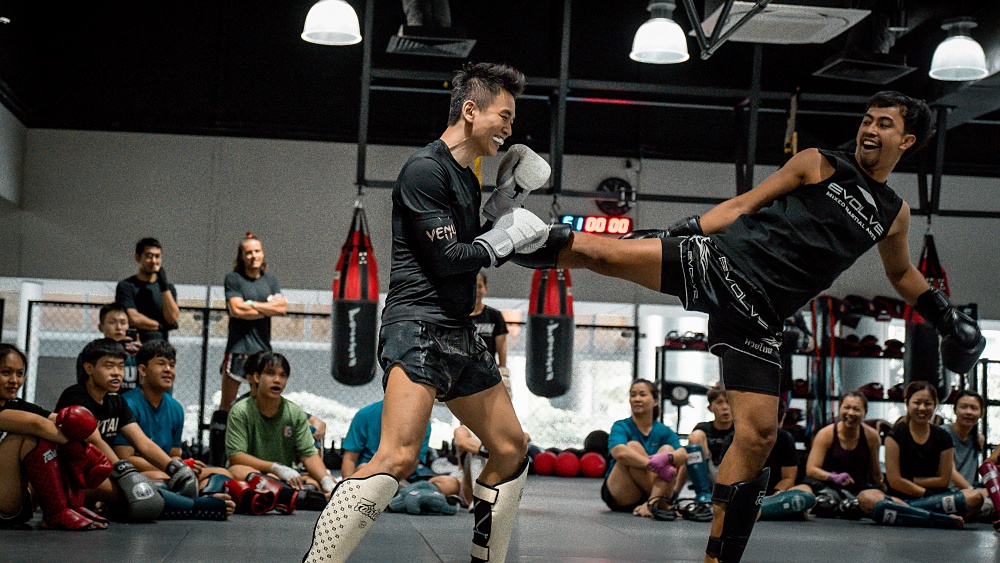
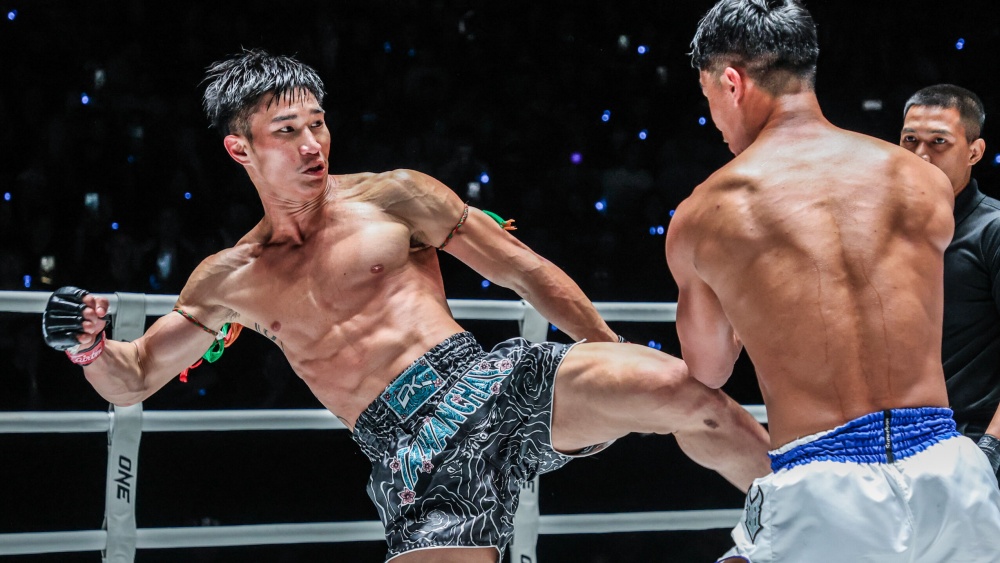
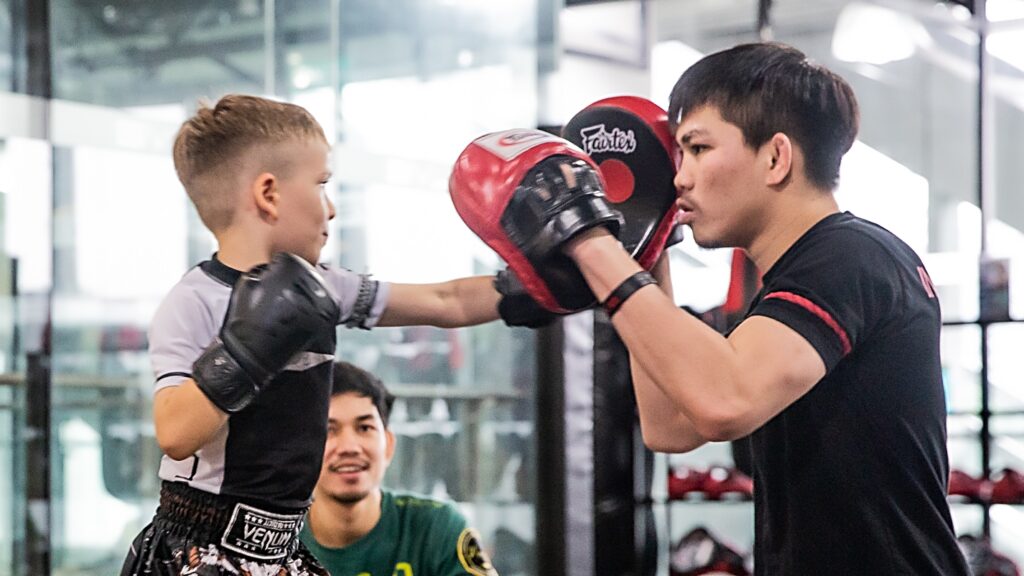
Muay Thai sparring includes kicks, knees, and clinch work along with punches. More often than not, sparring is done with a light and controlled pace. It can even feel playful at times, as partners tease and challenge each other to keep the rounds engaging and enjoyable.
The goal is to develop a sense of timing and range with each strike. Protective gear like headgear, mouth guards, and shin guards allows students to practice with control while still building power and flow. This creates a safe and focused environment where you can work on rhythm, distance, and coordination across all areas of striking.
Each sparring round in Muay Thai usually lasts between two to five minutes, with students focusing on timing, balance, and controlled exchanges. The emphasis is on fluid movement, clean technique, and reading your partner rather than overpowering them.
4) MMA
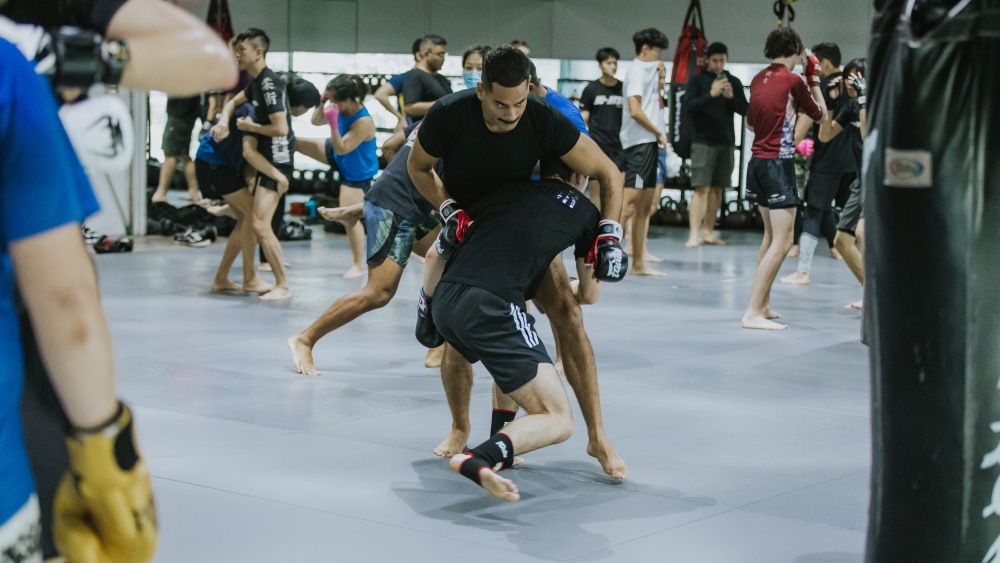
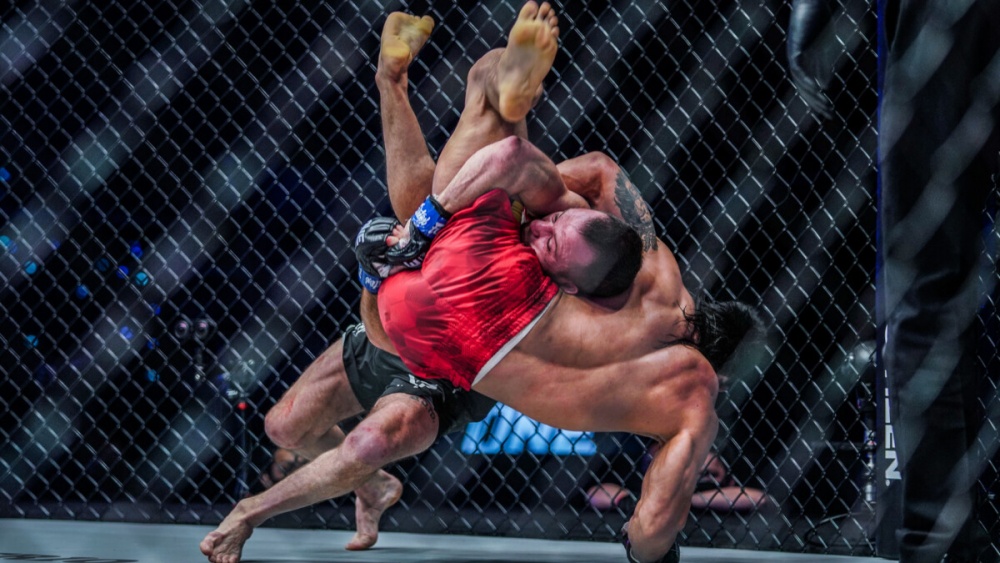
MMA sparring blends both striking and grappling. Some rounds mimic Boxing or Muay Thai, while others move into takedowns, ground transitions, and submissions. It’s unpredictable, just like a real fight.
Because MMA includes different skills, the sparring rounds vary in focus each session. One round may be stand-up only, another may be a mix, and then another focuses on wrestling transitions. This variation develops adaptability, cardio under pressure, and the ability to read and react, no matter where the fight goes.
How They Complement Each Other
MMA practitioners often cross-train in striking arts to sharpen stand-up skills. Boxing brings refined punching and footwork, while Muay Thai covers clinch and knee range. BJJ pairs grappling finesse with these striking arts to create well-rounded fighters.
Cross-training offers both physical variety and mental stimulation. Each discipline improves a different part of your game. A hit‑and‑move boxer learns to defend takedowns, while a grappler builds striking awareness, timing, and footwork. Together, they form a more complete fighter.
Sparring Tips For Beginners
If you are new to sparring, take it slow. Start with light intensity and focus on control and technique. The goal is to apply what you have learned, not to win or prove anything. If you are training in a striking art like boxing or Muay Thai, use sparring to work on your timing, distance, and movement.
For grappling arts like BJJ, rolling is a great way to practice transitions and maintain good positioning. Pay attention to balance and breathing, and always aim to move with purpose. If you enjoy a mix of both striking and grappling, MMA sparring will help you develop adaptability and flow between different situations. Focus on staying calm and making thoughtful decisions.
Stay relaxed and treat it as a chance to improve your rhythm and awareness. Chances are, every advanced student is simply working on refining their techniques. Going too hard does not prove anything. It usually shows a lack of control and understanding rather than skill, and often exposes your habits or weaknesses more than it hides them.
Conclusion
Sparring across BJJ, Boxing, Muay Thai, and MMA shares one central purpose: training live, staying sharp, and learning in a supportive environment. Each discipline brings its own focus, be it ground control, striking precision, striking variety, or full-spectrum adaptability. These elements build physical coordination and sharpen mental clarity.
Through smart sparring practices, you move beyond machines and routines. You build instincts, confidence, and real skill. That’s the power behind martial arts training: learning to move, think, and adapt while growing with others who share your journey.
You may also like:
The Science Of Footwork: Why Movement Matters In Every Martial Art