Summary
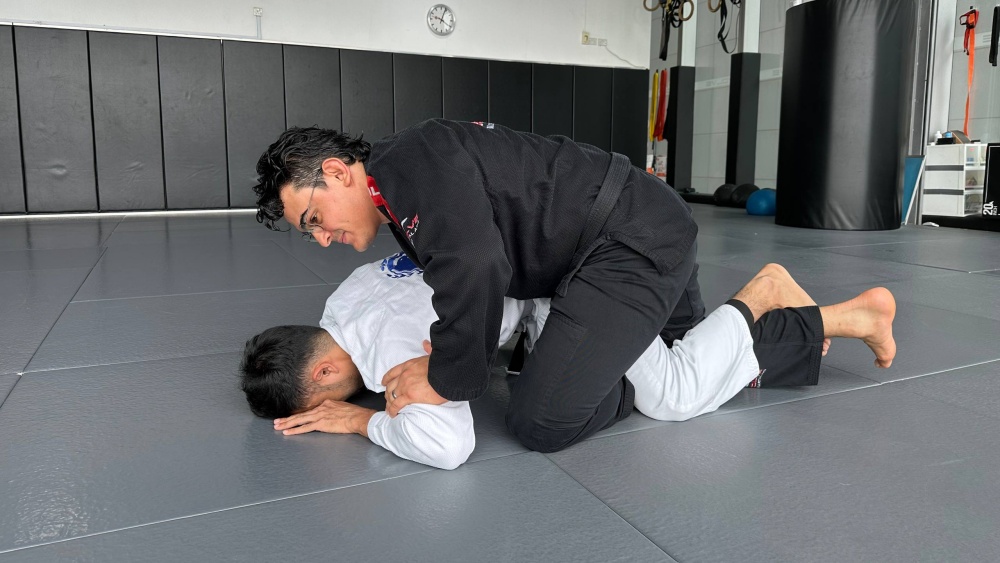
The leg ride is a powerful control concept used in Brazilian Jiu-Jitsu to limit movement, slow down escapes, and maintain dominant top position. Borrowed from wrestling but adapted for BJJ, leg rides allow you to control an opponent’s hips and upper body at the same time.
By riding the hips, you reduce their ability to bridge, shrimp, or rotate freely. Instead of relying only on grips with your arms, you use your legs to anchor yourself and restrict movement.
This article explains what a leg ride is, how it works in BJJ, common setups, key details, and why it has become more popular in modern grappling.
Key Takeaways
Why Leg Rides Are Effective
The hips are the engine of movement in grappling. When you control the hips, you control the pace of the exchange. Leg rides allow you to stay connected even when your opponent tries to scramble or explode out of position.
Leg rides also free up your hands. Because your legs are doing much of the controlling, your arms can focus on grip fighting, submissions, or transitions rather than just holding position.
When To Use Leg Rides While Rolling
Leg rides are especially useful when your opponent is:
- Explosive and hard to pin.
- Constantly trying to turn or stand.
- Slippery in No-Gi.
- Transitioning between positions.
Think of it as a control tool that helps you slow the pace and stay connected.
Common Leg Ride Positions In BJJ
1) Back Control Leg Ride
From the back control, one leg can ride across the opponent’s thigh while the other hooks or posts for balance. This makes it harder for the opponent to turn into you or slide their hips to the mat.
This style of control is often used in No-Gi grappling, where maintaining hooks can be more challenging.
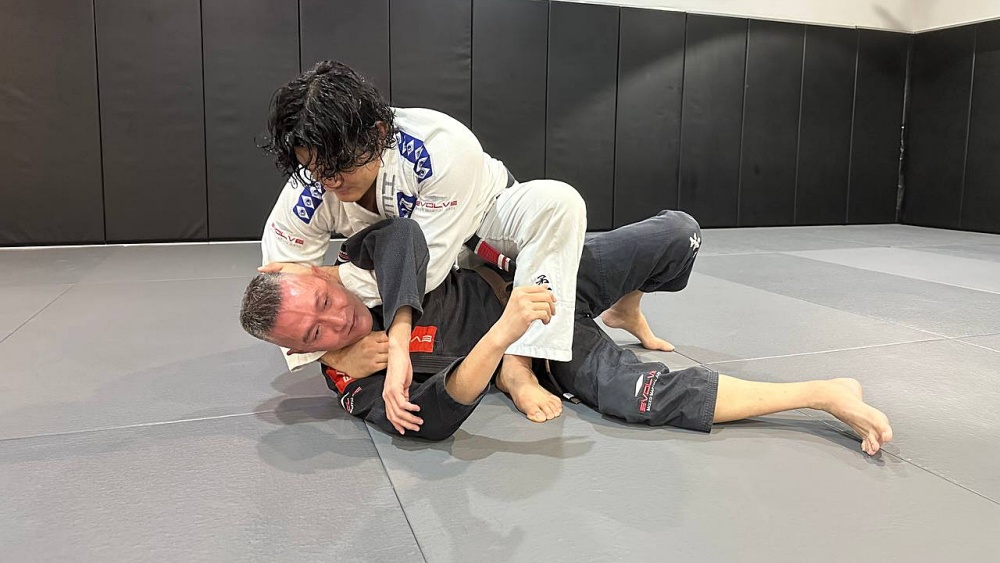
2) Top Half Guard Leg Ride
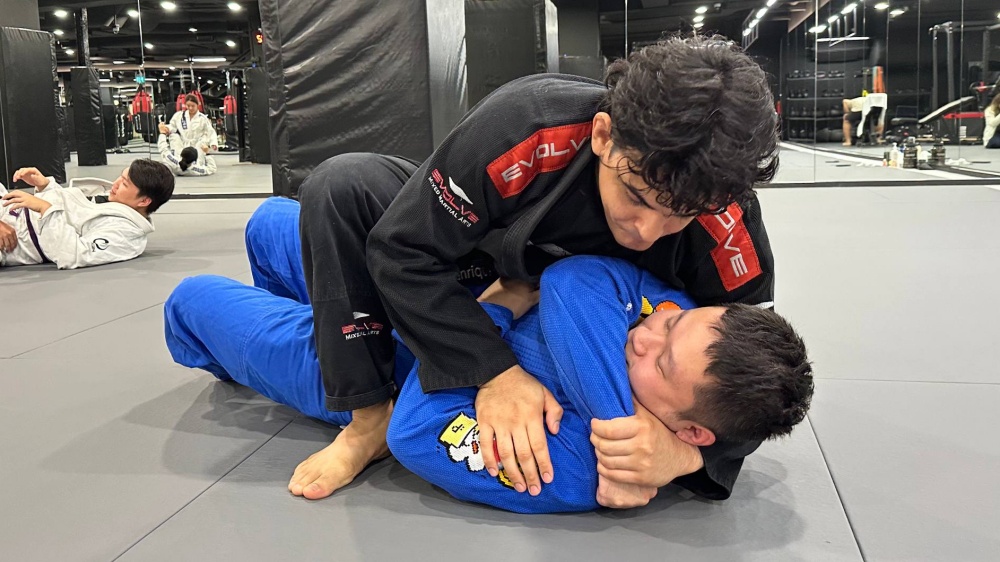
When passing the half guard, a leg ride can be used to pin the opponent’s bottom leg while pressuring the hips. This limits their ability to recover guard and helps you advance to side control or mount.
3) The Turtle And Transitional Rides
Against a turtled opponent, leg rides allow you to follow their movement as they roll or try to stand. Rather than committing weight forward, you stay balanced and mobile on top.
Key Details That Make Leg Rides Work
- Hip Connection: Your hips should stay close to your opponent. Floating too high makes it easier for them to shake you off.
- Weight Distribution: Leg rides work best when your weight stays centered. Avoid leaning too far forward or backward.
- Active Feet: Your legs should adjust constantly. Small movements keep pressure steady and prevent escapes.
- Head And Upper Body Control: While your legs control the hips, your upper body should manage posture, head position, or arm control.
Common Mistakes To Avoid
Many practitioners struggle with leg rides because of simple errors.
- Squeezing too hard instead of balancing.
- Locking the legs without adjusting.
- Losing posture and falling to the side.
- Ignoring upper body control.
- Staying static instead of following movement.
Leg rides are about sensitivity and control, not tension.
How Leg Rides Differ From Traditional Hooks
Traditional hooks aim to pull the opponent back and flatten them. Leg rides focus more on riding movement and limiting rotation. Both are effective, and many high-level grapplers switch between hooks and leg rides depending on the situation.
Leg rides tend to shine during scrambles and transitions where hooks may slip.
FAQs On Leg Rides For BJJ
Q: Is The Leg Ride Legal In BJJ Competitions
A: Yes. Leg rides are legal in both Gi and No-Gi competitions.
Q: Are Leg Rides Better Than Hooks
A: Neither is better. They serve different purposes and work best when used together.
Q: Do Leg Rides Work For Beginners
A: Yes. Beginners can learn basic leg ride concepts with proper guidance.
Q: Can Leg Rides Lead To Submissions
A: Yes. They often open paths to back takes, chokes, and upper body attacks.
Q: Is Leg Ride Control Strength-Based
A: No. Balance and positioning matter more than strength like any technique in BJJ.
Final Thoughts
The leg ride is a valuable addition to any BJJ practitioner’s control game. By focusing on hip control, balance, and movement, leg rides help you stay connected during scrambles and prevent escapes without relying on brute force. As BJJ continues to evolve, leg rides remain a practical and effective way to maintain dominance and transition smoothly between positions.
You may also like:
Understanding The Fireman’s Carry And It’s Application For BJJ