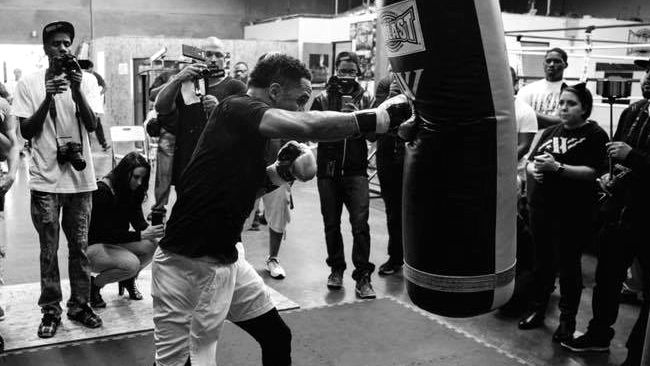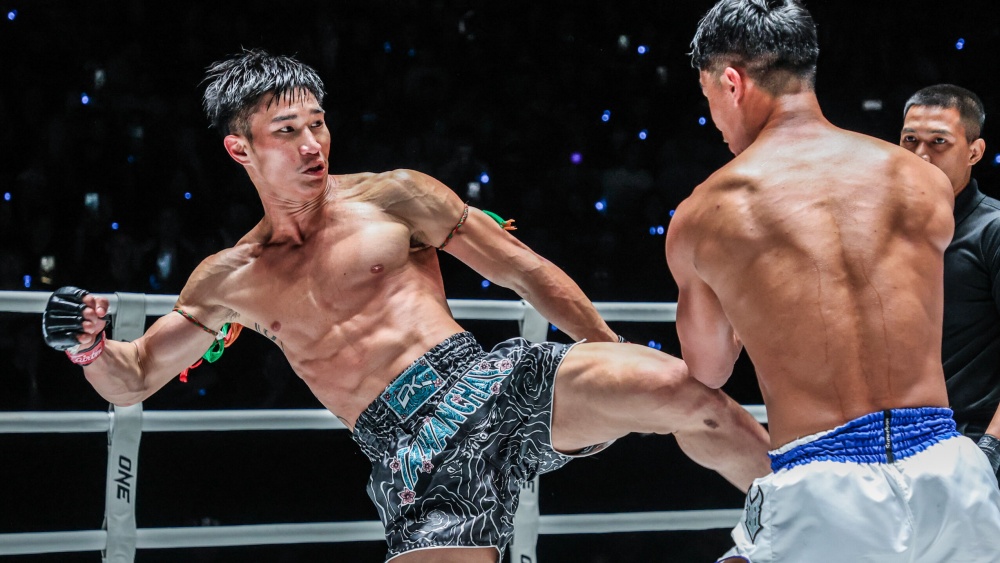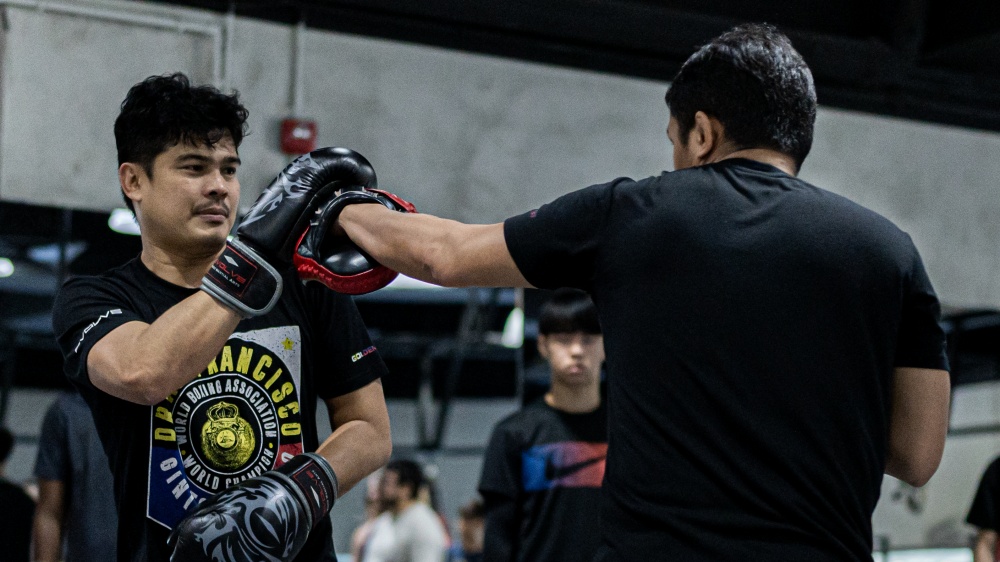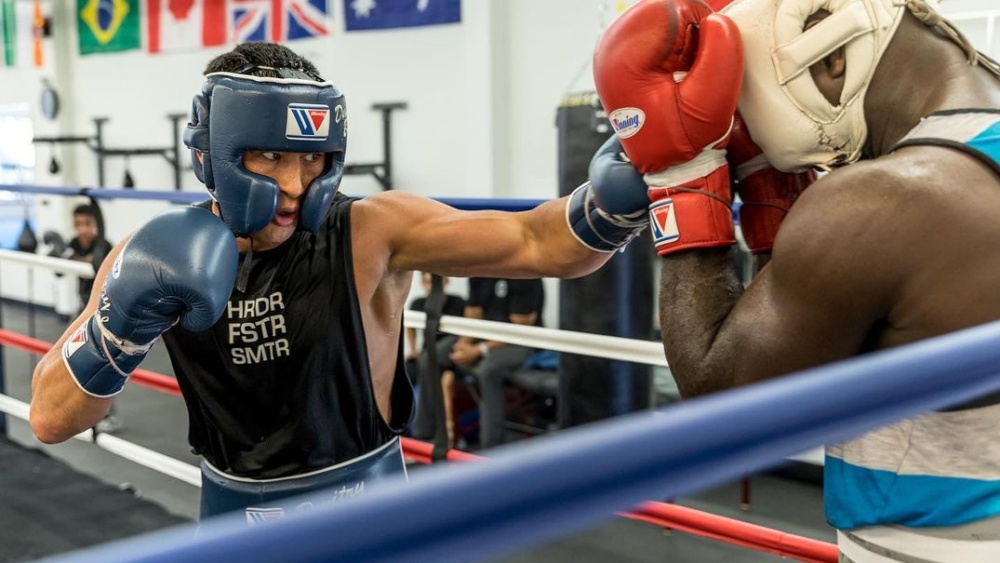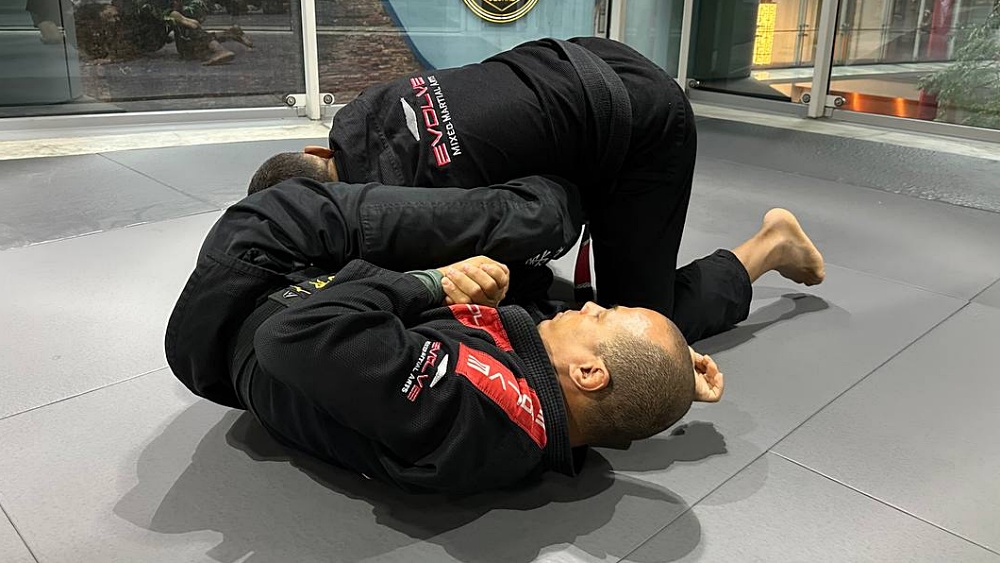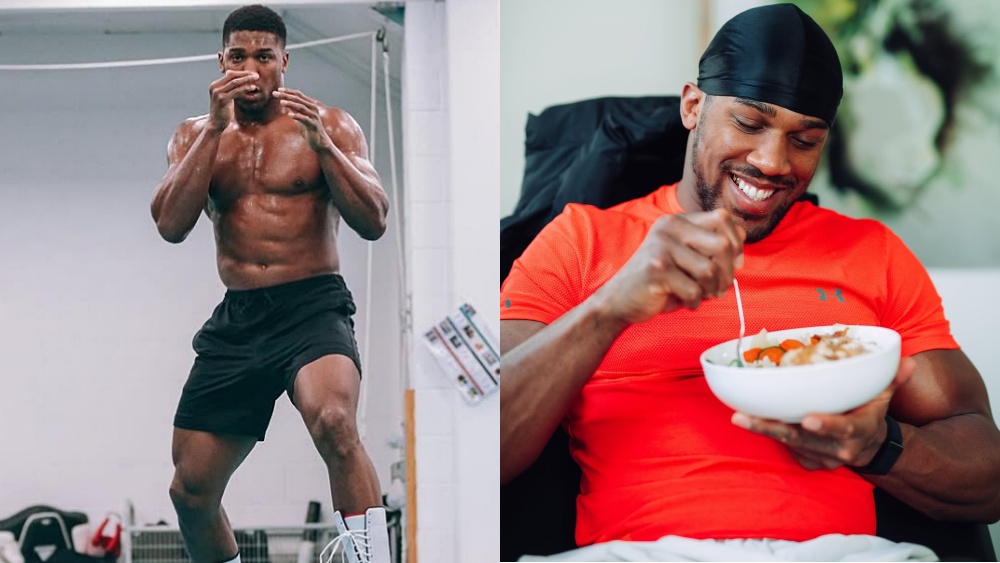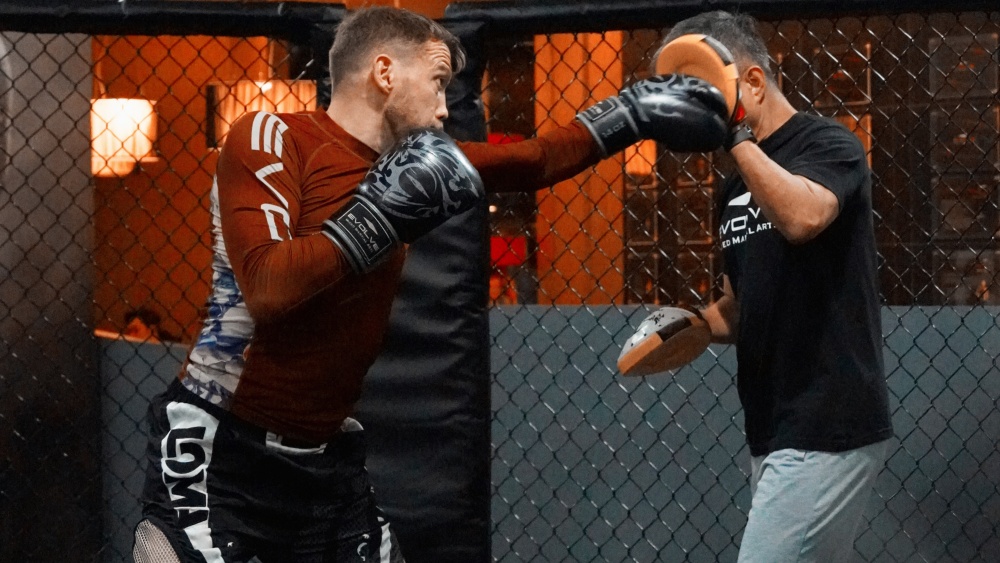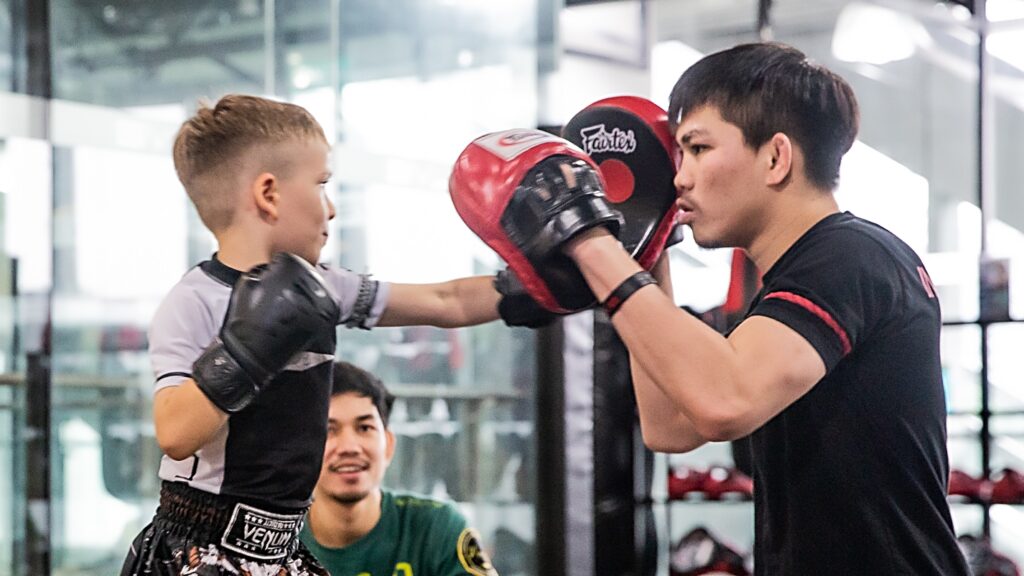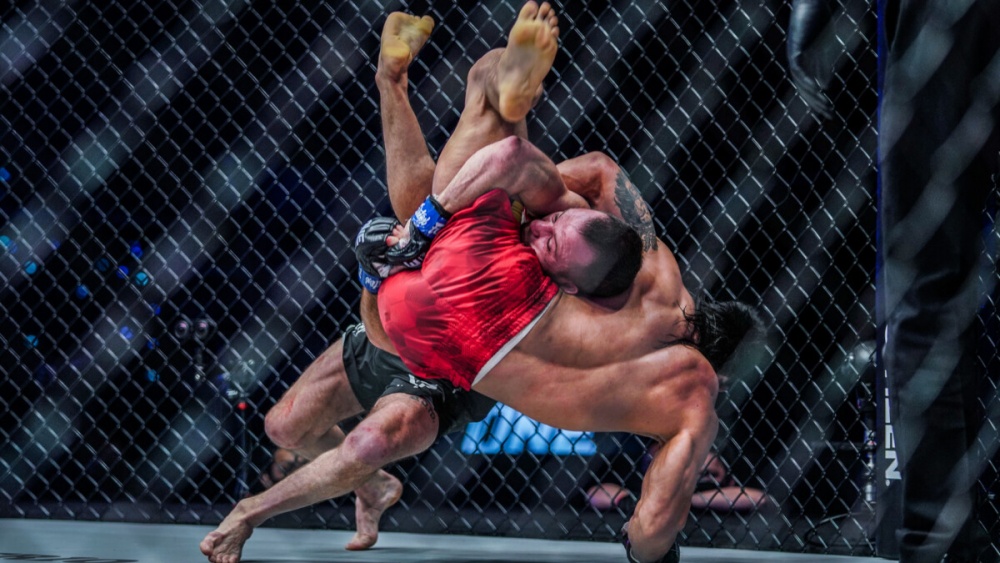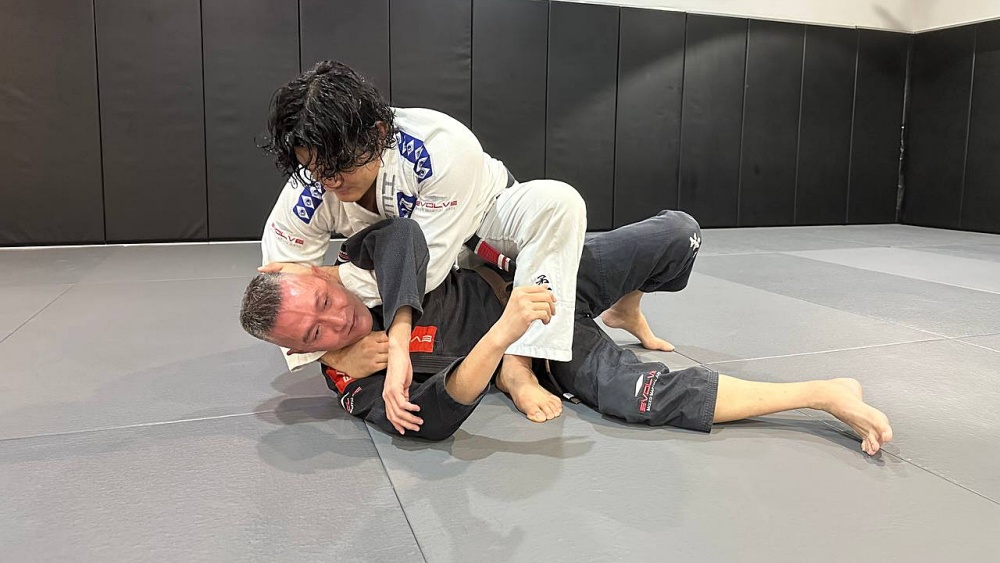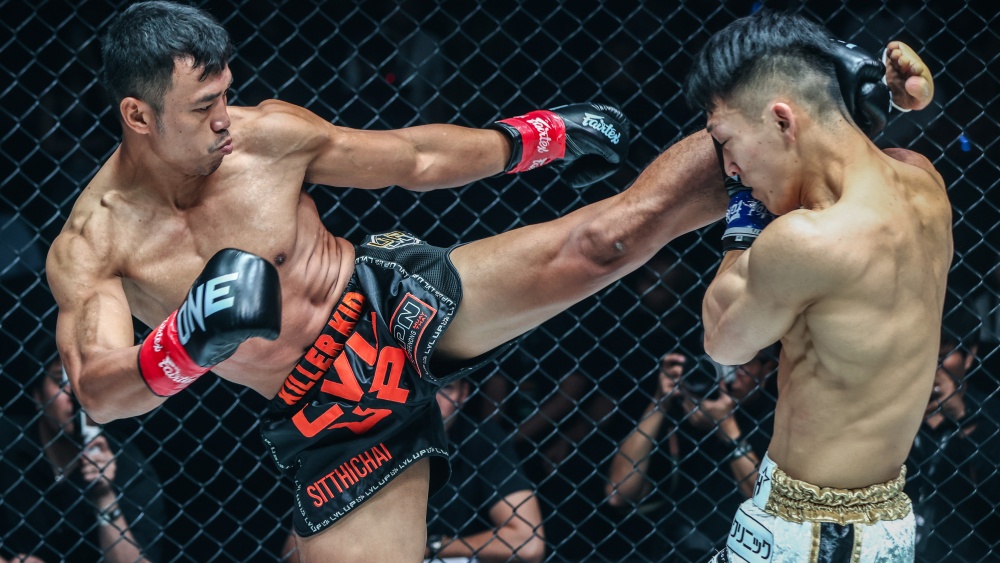
Sparring is one of the most important parts of martial arts training. Whether you practice boxing, Muay Thai, Brazilian Jiu-Jitsu, or MMA, sparring helps you test your techniques in a realistic setting. It sharpens timing, builds confidence, and teaches you how to stay calm under pressure. But as much as sparring helps you grow, what happens after is just as important. Sparring aftercare is often overlooked, yet it plays a huge role in how well you recover, adapt, and progress. In Singapore, where martial arts have become a popular way to stay fit and learn new skills, understanding sparring aftercare can help students train smarter and stay consistent for the long run.
Why Sparring Aftercare Matters
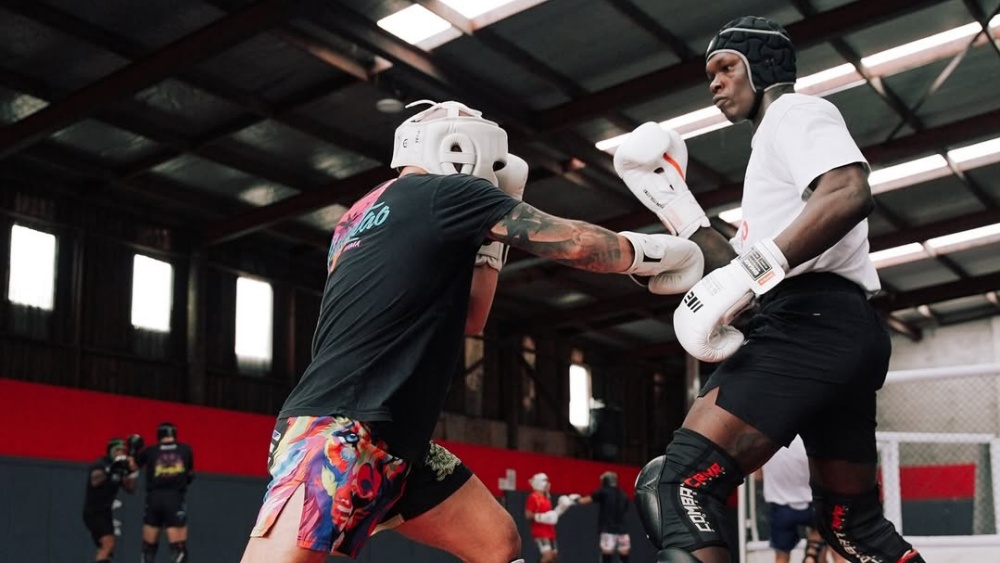
Sparring challenges both the body and the mind. A single session can involve dozens of exchanges, quick reactions, and bursts of high-intensity movement. While this builds skill, it also places stress on the body and mental focus. Without proper recovery, fatigue sets in, making it harder to train effectively in the next session.
Good aftercare ensures your body bounces back quickly. It reduces muscle soreness, improves mobility, and prevents burnout. More importantly, it helps you mentally process what happened during sparring so you can learn from the experience instead of carrying frustration. For martial artists at every level, aftercare is not just about feeling better; it is about building resilience and longevity in your training journey.
Physical Recovery Practices
The first step in aftercare is addressing physical recovery. Sparring pushes your body, so it is important to give it the support it needs.
- Hydration And Nutrition: Sweating during sparring depletes fluids and electrolytes. Rehydrating right after class with water or sports drinks is essential. Pair this with a balanced meal of protein, carbohydrates, and healthy fats to restore energy levels and repair muscle tissue.
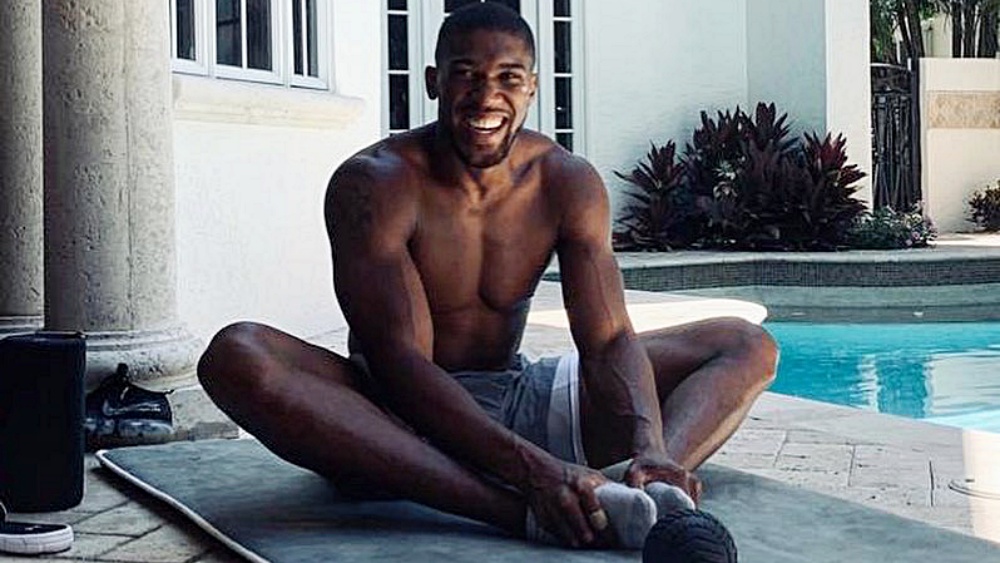
- Stretching And Mobility: A proper cool down makes a big difference. Light stretching, yoga, or mobility exercises help relax tight muscles and improve flexibility. Spending even 10 to 15 minutes after sparring on basic stretches can prevent stiffness the next day.
- Rest And Sleep: Sleep is often the most underrated recovery tool. During rest, the body repairs itself and consolidates new skills learned in sparring. Aim for seven to nine hours of quality sleep to maximize both physical and mental recovery.
- Simple At-Home Practices: You do not need expensive equipment to recover well. A foam roller or even a tennis ball can help with self-massage. A warm shower can loosen muscles, while a cold rinse can refresh the body after a long session.
Mental And Emotional Aftercare

Sparring is not just physical; it is also a mental test. Sometimes you dominate a round, other times you feel outmatched. What you do afterward shapes how you grow.
- Reflect On The Session: Take a few minutes to think about what went well and what needs improvement. Did your jab land consistently? Were you able to defend against sweeps or kicks? Reflection turns sparring into a valuable lesson rather than just an exchange of strikes.
- Keep A Training Journal: Writing down notes after sparring helps track progress over time. You might notice patterns, like struggling against taller opponents or needing to improve footwork. Recording these details makes your training more intentional.
- Talk With Your Coach Or Training Partner: Feedback is a powerful tool. Coaches can point out adjustments that you may not have noticed. Training partners can also share insights on what they felt during the spar, giving you a new perspective.
- Detach From Ego: One of the most important aspects of mental aftercare is separating practice from pride. Sparring is not about winning or losing; it is about learning. Treat each round as a step toward growth, not a final result.
Long-Term Recovery Habits
Beyond immediate aftercare, martial arts is about longevity. That being said, sustainable recovery habits help martial artists train consistently without burnout and long-term setbacks. Some of which include:
On rest days, light activities like swimming, cycling, or walking keep the body moving without adding stress. Active recovery also helps circulation and reduces soreness.
2) Regular Stretching And Mobility Work
Making stretching part of your daily routine pays off over time. Flexibility not only aids recovery but also improves performance in sparring. Mobility drills keep joints healthy, especially for sports like BJJ and Muay Thai that demand constant movement.
Supporting martial arts with strength and conditioning makes the body more resilient. Stronger muscles handle sparring intensity better, while conditioning ensures endurance across multiple rounds. This balance reduces fatigue and improves overall performance.
4) Scheduling Rest Days
Many martial artists feel tempted to train every day, but recovery is where growth actually happens. Rest days allow both body and mind to reset, ensuring that every sparring session is productive. In a fast-paced place like Singapore, balancing work, family, and training makes planned rest even more crucial.
5 Frequently Asked Questions About Sparring Aftercare
Q1: What Should I Eat After Sparring?
A: A balanced meal with protein, carbohydrates, and healthy fats helps the body repair and refuel. Lean meats, rice, eggs, vegetables, and nuts are great options.
Q2: How Much Water Should I Drink After Sparring?
A: Aim to replace fluids lost through sweat by drinking water steadily after training. The general rule of thumb is to have 3 liters of water daily. Adding electrolytes can also help restore hydration faster.
Q3: How Many Times A Week Should I Spar?
A: Beginners may start with one sparring session per week, while advanced practitioners may spar two to three times depending on their training schedule and recovery.
Q4: Is It Normal To Feel Sore After Sparring?
A: Yes, muscle soreness is common due to the intensity of sparring. Proper stretching, hydration, and rest usually help reduce soreness.
Q5. How Can I Improve My Recovery Between Sparring Sessions?
A: Prioritize sleep, maintain consistent nutrition, stretch regularly, and schedule active recovery days to support both physical and mental readiness. While it may not seem like much, the small habits from your recovery goes a long way in your martial arts journey.
Final Thoughts
Sparring is where martial artists test their skills, but aftercare is where growth takes root. Taking time to recover physically ensures that your body stays strong and ready for the next round. Paying attention to mental and emotional aftercare keeps you motivated and focused on long-term progress. Building sustainable recovery habits means you can train harder, smarter, and with consistency.
The best martial artists understand that training does not stop when sparring ends. Aftercare is part of the discipline, a reflection of respect for both yourself and your practice. By making recovery a priority, you give yourself the chance to improve every time you step onto the mats or into the ring.
You may also like:
Sparring Down: The Pros And Cons Of Training With Less Experienced Boxers