In Singapore’s growing fitness scene, more people are venturing beyond high-impact routines and exploring sustainable ways to stay fit. Whether you are an avid athlete or someone who is just starting out on your fitness journey, low-intensity workouts offer a smart, long-term approach to movement, mobility, and health.
They may not grab the headlines like high-intensity boot camps do, but these exercises are just as essential in building a strong and capable body.
What Are Low-Intensity Workouts?

Let’s define low-intensity workouts first. Low-intensity workouts help you stay active by keeping your heart rate steady while being gentle on your joints and muscles. These exercises still get your heart rate up, help burn calories, and build strength, all without the fast pace or explosive moves you might find in a HIIT class or during sparring.
These workouts typically include:
- Walking or light jogging.
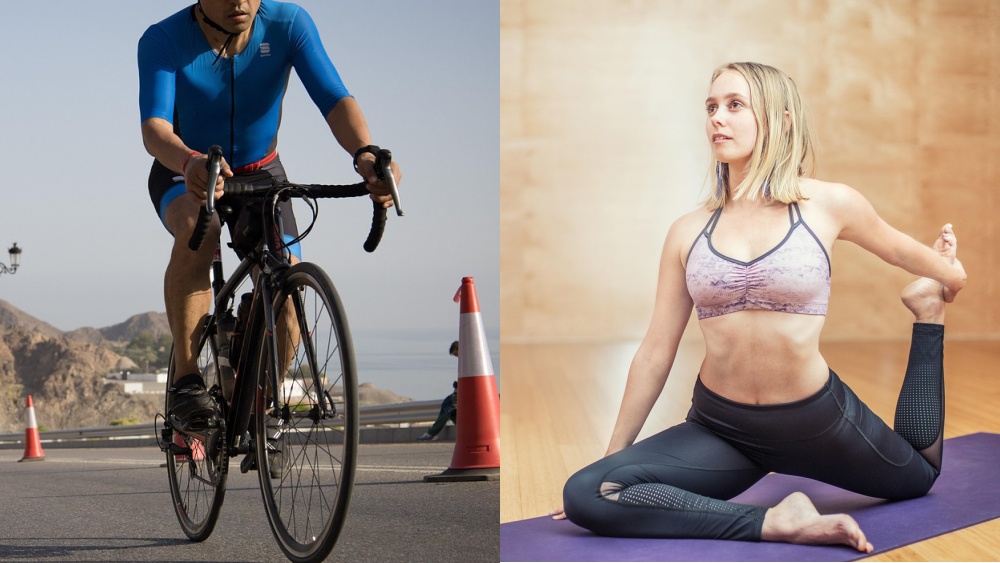
- Steady-state cycling.
- Yoga or mobility drills.
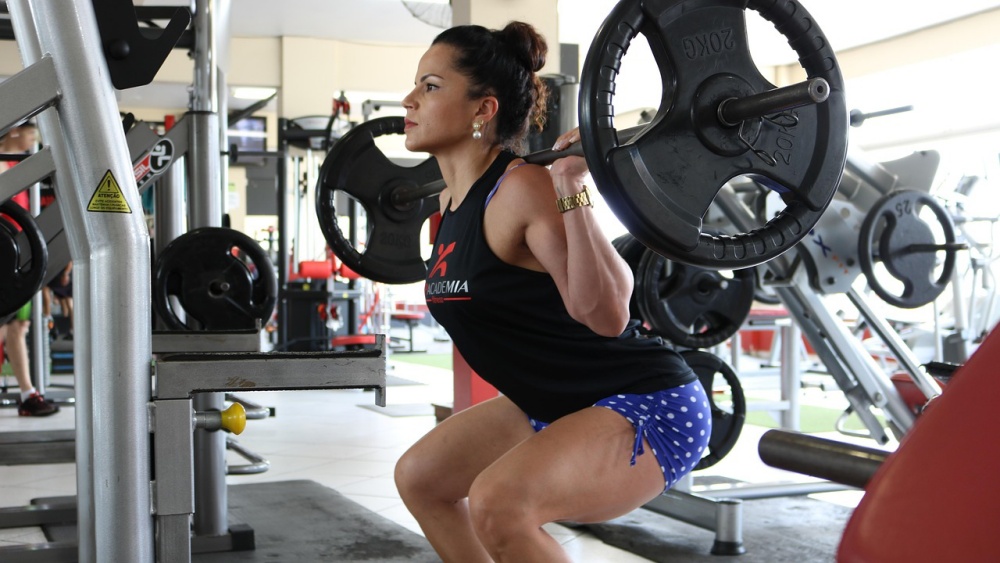
- Flow-based strength exercises.
- Martial arts movement drills are done at reduced speed.
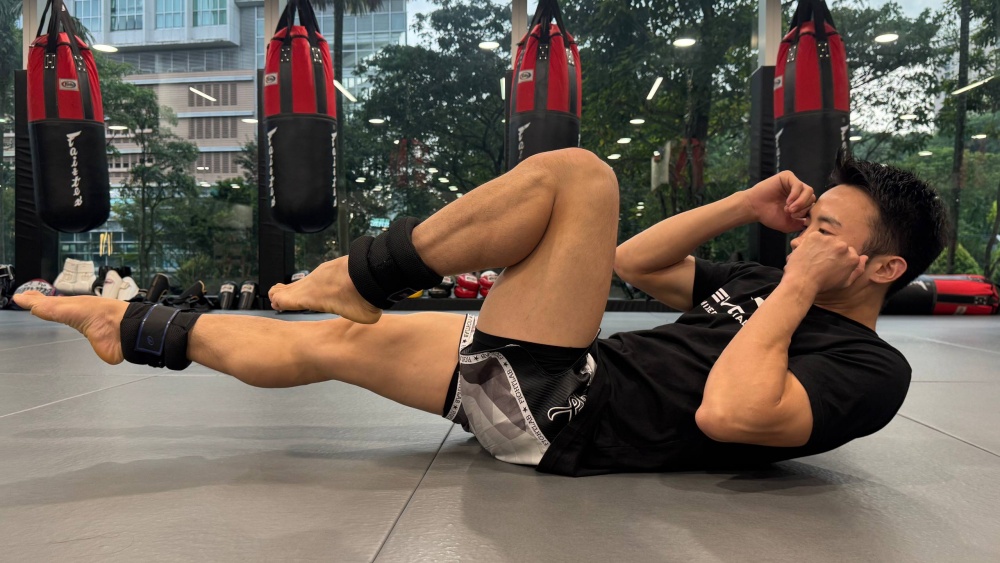
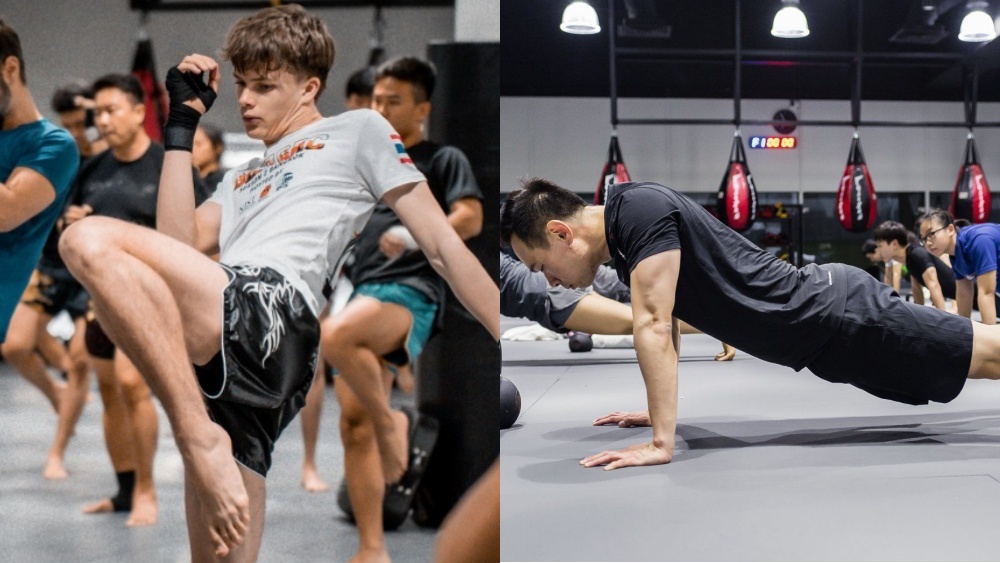
- Bodyweight circuits at a consistent, manageable pace.
Low intensity training is often measured by how hard your body feels like it is working. A good indicator is the “talk test”. If you can still hold a conversation without gasping for air, you are likely in the right range.
Why Low Intensity Does Not Mean Low Value
There is a common belief that harder equals better, especially in the fitness culture. But more effort does not always mean more progress. Low-intensity workouts bring a different kind of benefit that supports the bigger picture. Some of which include:
1) Improves Recovery
If you train hard in martial arts several days a week, your body needs time to recover. Low-intensity sessions help maintain movement without overloading the system. This keeps your blood flowing, reduces stiffness, and speeds up recovery without adding more fatigue.
2) Builds A Strong Aerobic Base
Your aerobic system is responsible for how efficiently your body delivers oxygen to muscles. Low-intensity cardio builds this foundation. With better aerobic fitness, you will be able to train longer, recover faster between rounds, and keep your focus steady during sparring or pad work.
3) Supports Mental Health
Gentle movement is one of the best tools for reducing stress. Whether you are walking through a park in Singapore or hopping on a light martial arts session at the gym, low-intensity workouts give you a chance to breathe, reflect, and reset without pressure. Many people find these sessions calming and consistent, especially during busy weeks.
4) Accessible For All Levels
Low-intensity workouts are perfect for beginners, older adults, or anyone returning from a break. They help you build a fitness habit without feeling overwhelmed. If you are new to martial arts, starting with movement-based conditioning or partner drills at low intensity can ease you in without the fear of falling behind.
Where Low-Intensity Training Shows Up In Martial Arts
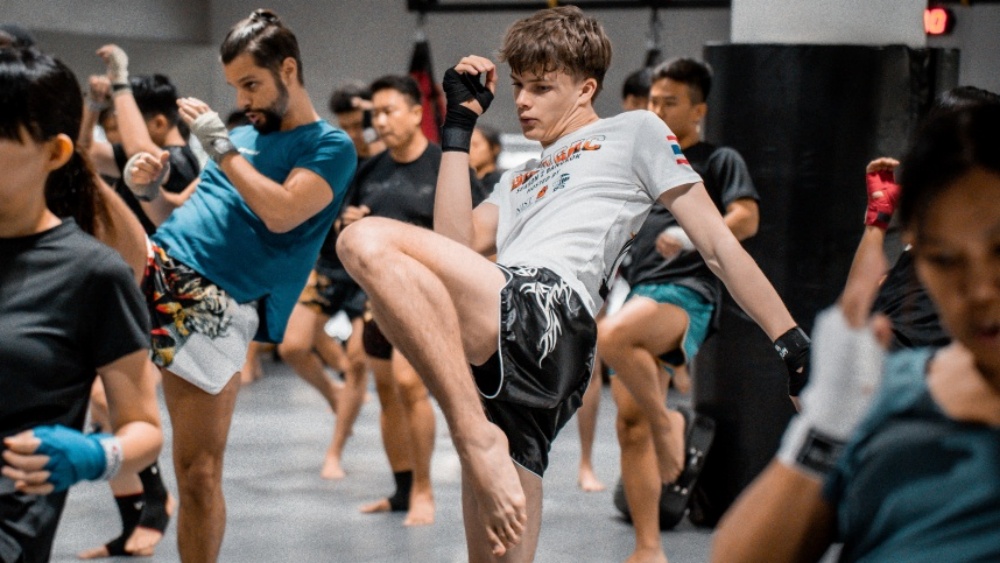
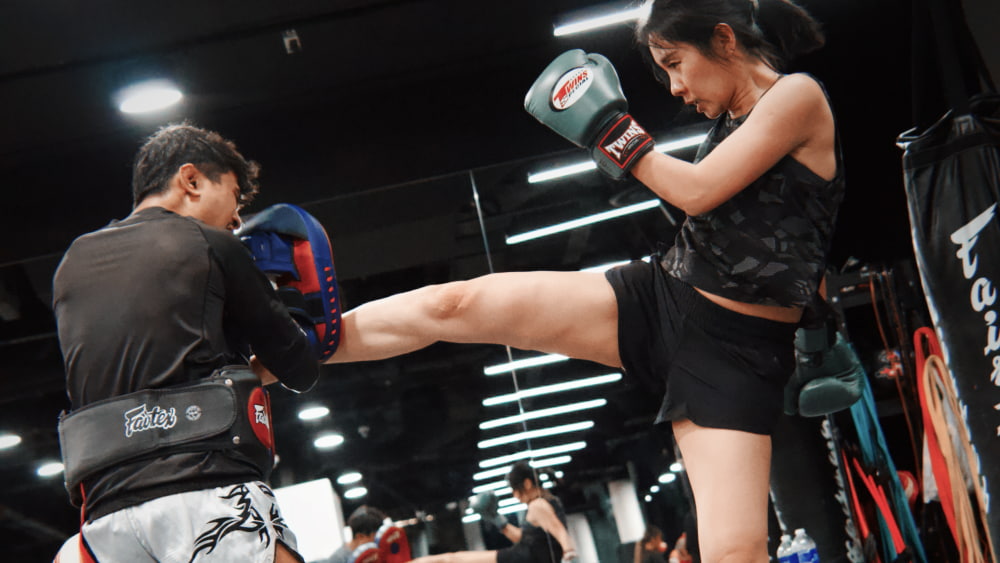
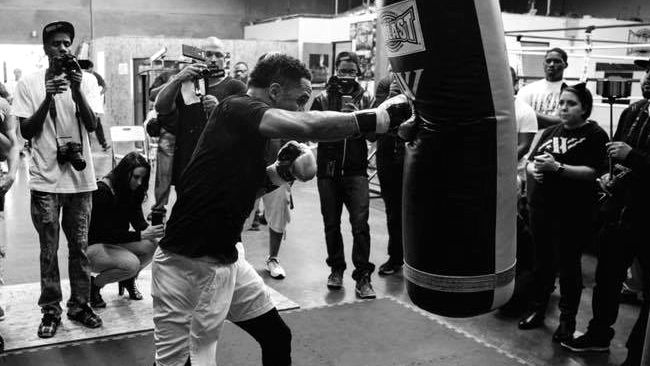
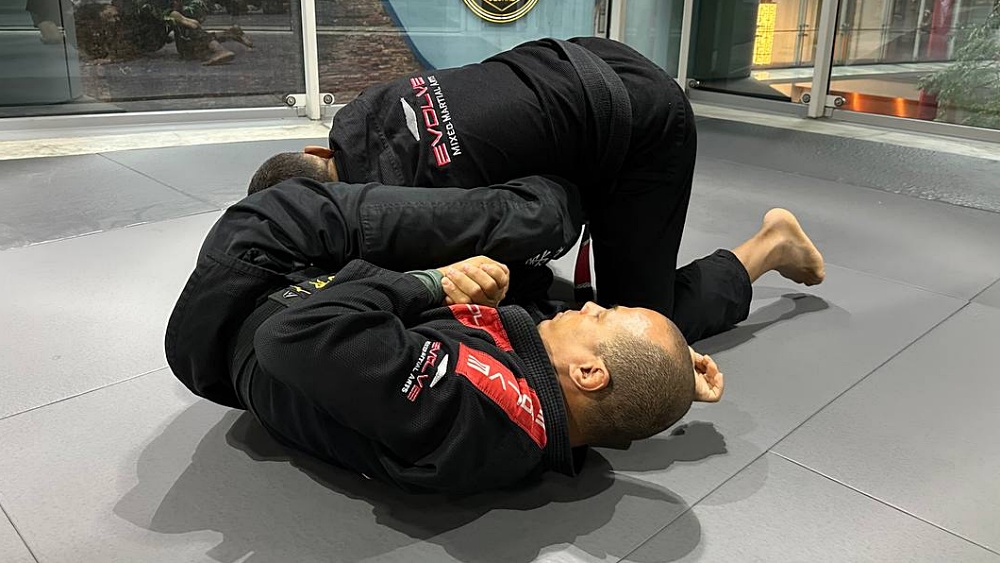
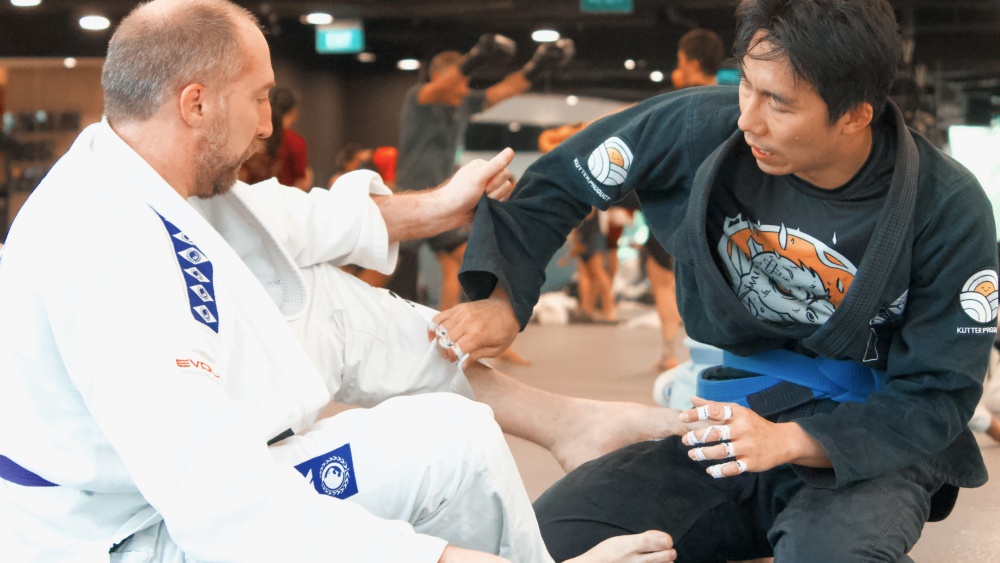
In martial arts, low-intensity training is built into nearly every class, even if you don’t notice it at first. The early part of any Muay Thai or boxing class often includes shadowboxing or technical footwork done at a relaxed pace. In Brazilian Jiu-Jitsu, drilling positions slowly allows you to absorb movement patterns without rushing.
Coaches and fighters use low-intensity sessions during fight camp for active recovery days. These workouts keep the body moving, help maintain weight, and sharpen mental focus without pushing into fatigue.
Even traditional warm-ups and cool-downs include mobility flows, gentle stretches, and low-intensity repetitions to prep and restore the body. These are not just side elements; they are a core part of well-rounded martial arts training.
Low-Intensity Does Not Mean Boring
One of the reasons people skip low-intensity sessions is that they assume it isn’t engaging. But that ultimately depends on how you approach it. Low intensity does not have to be repetitive or passive. Here are a few creative ways to structure your training:
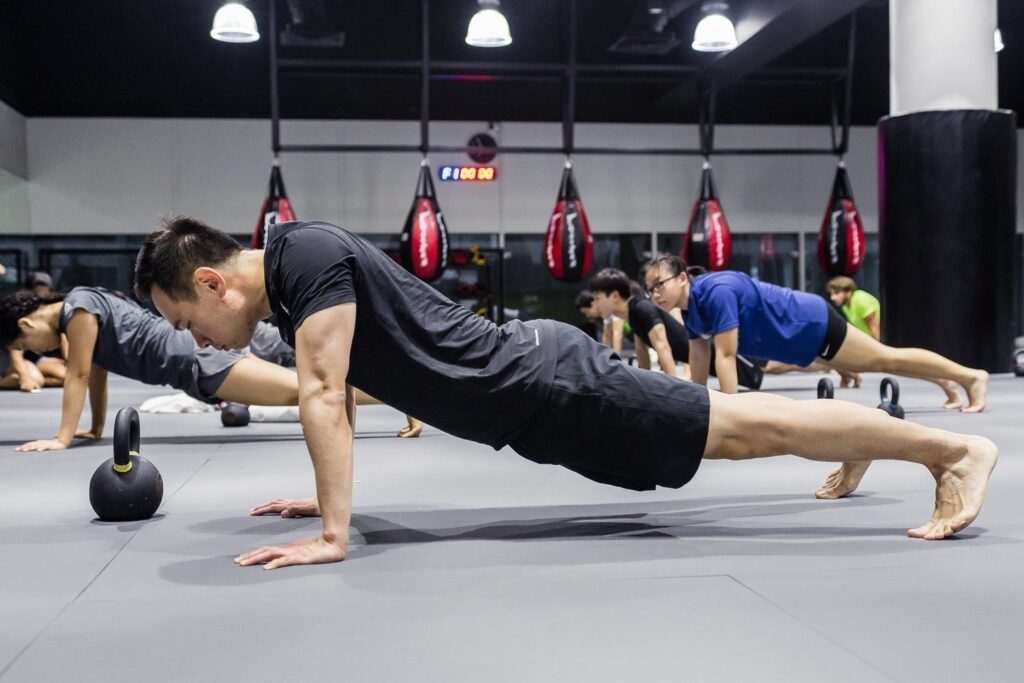
- Circuit Flow: Combine five to six low-impact moves like squats, planks, and step-through lunges into a continuous loop. Focus on the quality of movement rather than speed.
- Technique Walks: Add footwork drills or hand movements from boxing while walking. You can do this on a treadmill or outside in a park. This not only builds rhythm but also balance.
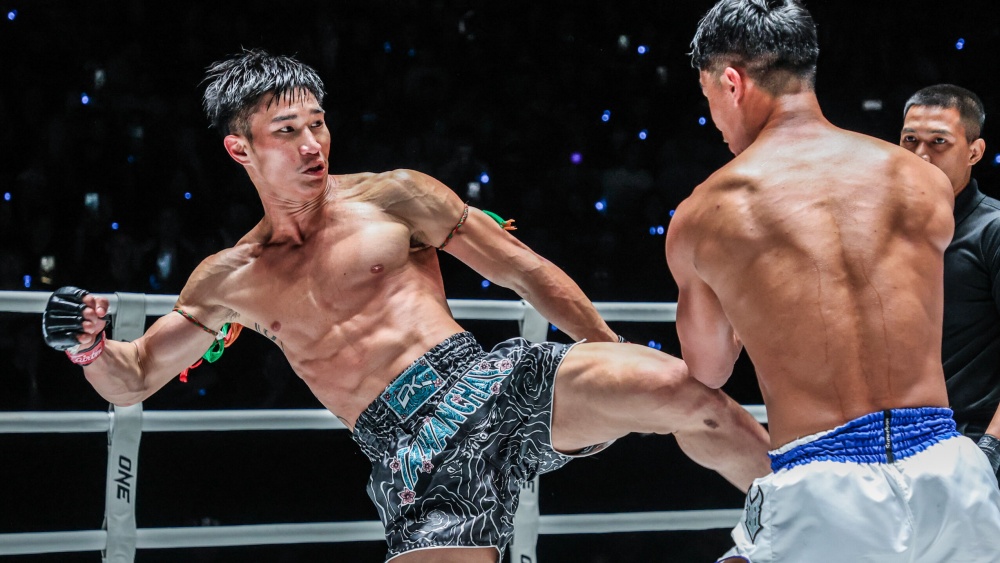
- Tempo Rounds: Use strikes like elbows or teeps, but slow them down. Move with control, think about weight transfer, and practice breathing through each motion.
- Partner Drills: Light pad work or movement games can often be fun and interactive. Work with a training partner to keep things playful and low-pressure.
The key is intention. You are not trying to empty the tank. You are trying to stay connected to your body, move with control, and build awareness through repetition.
Balancing High And Low For Long-Term Gains
The most successful athletes and martial artists in the world don’t always go hard every day. They balance their training. They know when to push and when to pull back.
This is where low-intensity workouts become a game-changer. You can add them in between hard sessions or stack them on days when you want to stay active but not fatigued.
Ask your coach how you can incorporate some low-intensity exercises based on what you’re training for. Whether it’s slow drills, active recovery, or movement flows, you will notice the benefits quickly.
Final Thoughts
Low-intensity workouts might not get the spotlight, but they play a vital role in any smart training plan. They help you recover, stay consistent, and train with intention. In martial arts, they are often the quiet key to building rhythm, precision, and long-term progress.
So the next time you are tempted to skip your “easy day,” think of it as the foundation for your next breakthrough. Sometimes, slowing down is exactly what your body and mind need to get stronger.
You may also like:
What Is Zone Training And How Does It Affect Martial Artists?