Summary
Every Brazilian Jiu-Jitsu practitioner eventually finds themselves caught in an armbar. It’s one of the most common submissions in the art. While the best defense is prevention, knowing how to escape when it happens can make all the difference between tapping and surviving.
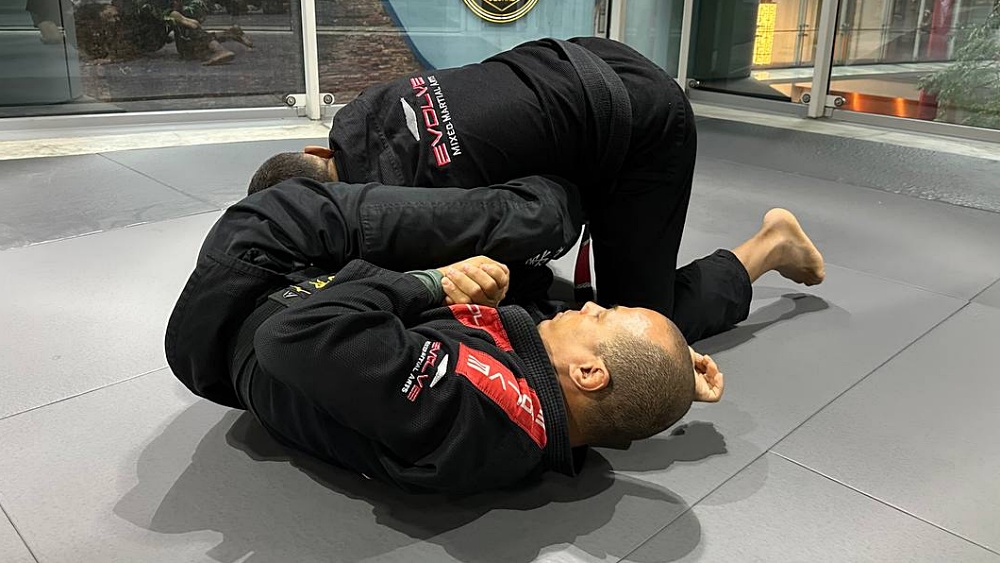
The hitchhiker escape is one of the most reliable ways to defend against an armbar in Brazilian Jiu-Jitsu. Instead of staying trapped, the defender turns their thumb down, rolls their body, and moves in the same direction as the attack to relieve pressure on the arm. This guide explains what the hitchhiker escape is, how it works, and the key details that make it effective in both Gi and No-Gi grappling.
Understanding The Armbar Threat
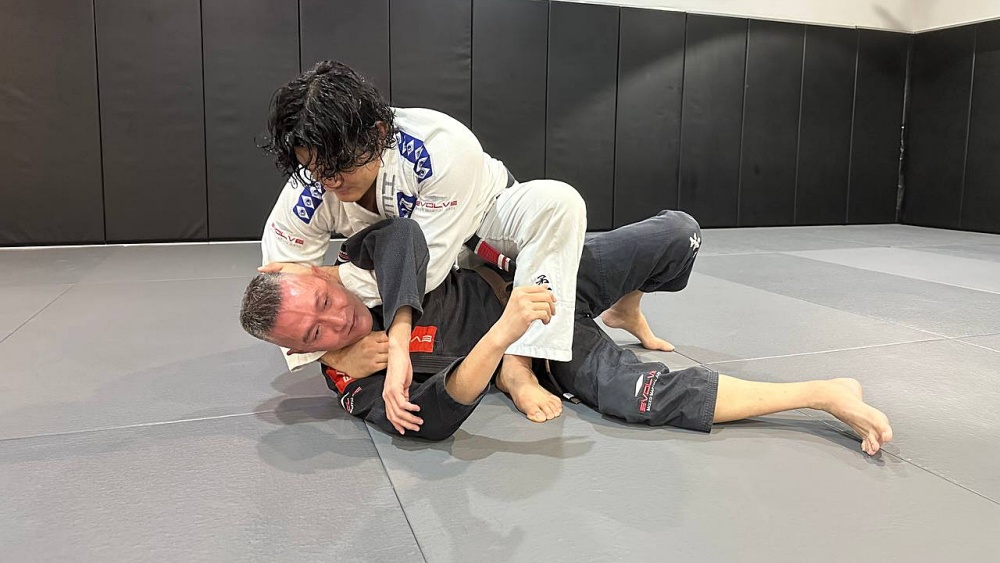
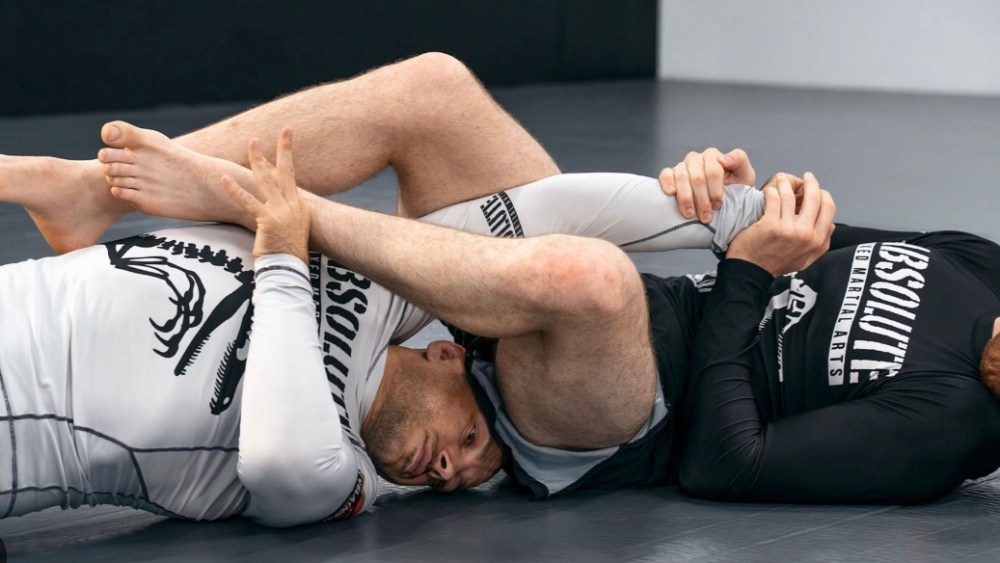
Before learning the hitchhiker escape, it’s important to understand how the armbar works. The attacker isolates one arm, pinches their knees together, and extends the hips upward to hyperextend the elbow. Once the arm is straight and the thumb points up, the defender has very little time to react.
Traditional escapes often involve stacking or trying to pull the arm free. The hitchhiker escape, however, works by moving with the attack, not against it. It uses momentum and direction to neutralize the submission.
How The Hitchhiker Escape Works
The core idea behind the hitchhiker escape is rotation. When your arm is trapped in the armbar, your thumb dictates the direction of pressure. By rotating your thumb down and toward your opponent’s legs, you change the alignment of your elbow, making it much harder for them to finish the submission.
Here’s a simplified breakdown of the movement:
- Rotate your trapped arm so your thumb points toward your opponent’s legs; this changes the line of pressure.
- Turn your body toward the opponent’s legs, following the direction your thumb points.
- Roll your head and shoulders forward, almost as if doing a small somersault to the side.
- Bring your elbow down and slip it past their hips, freeing it from the line of attack.
- Recover position, usually by coming up into top control or resetting to guard.
Timing is critical. The hitchhiker must be initiated before your arm is fully extended. Waiting too long can risk being strained.
Key Details For A Successful Escape
- Stay Calm: Panic causes tension, making it harder to move fluidly. Breathe and focus on technique.
- Utilize Your Hips, Not Just Arms: Turning your whole body with your hips generates momentum.
- Keep The Thumb Down: The direction of your thumb is everything. It dictates your escape path.
- Roll Toward The Legs: Many beginners mistakenly roll the wrong way and make the lock tighter.
- Expect Scrambles: Once you escape, be ready to defend sweeps or counters immediately.
Practicing the motion slowly during drills builds muscle memory so you can react instinctively in live sparring.
When To Use The Hitchhiker Escape
The hitchhiker escape works best against traditional armbars from the guard, mount, or side control, where the opponent’s hips are close and you can roll toward their legs.
It is less effective if the opponent controls your body tightly or transitions quickly to another submission, such as the triangle choke. In those cases, combining the hitchhiker with stack defenses or leg movement gives you more options.
Common Mistakes To Avoid
- Waiting Too Long: Once the arm is fully extended, it’s too late to rotate. Always react early.
- Rolling the Wrong Way: Always move toward the opponent’s legs, not their head.
- Leaving The Arm Straight: Keep it bent as you rotate to prevent full extension.
- Forgetting To Reset: After escaping, don’t relax; immediately recover guard or top position.
FAQs About The Hitchhiker Escape in BJJ
Q: Why Is It Called The “Hitchhiker” Escape?
A: The name comes from the thumb-up position that resembles a hitchhiker’s signal as you rotate your arm and move to safety.
Q: Is The Hitchhiker Escape Safe For The Elbow?
A: When done correctly, yes. However, waiting too long or forcing the movement can cause strain. Timing and control are essential, always.
Q: Does The Hitchhiker Escape Work In No-Gi BJJ?
A: Absolutely. The escape relies on body mechanics, not grips, which makes it effective in both Gi and No-Gi settings.
Q: What Should I Do After Escaping?
A: Focus on recovering a dominant position or re-establishing guard immediately. Don’t think the battle is over. Many opponents will try to scramble or counter right after you escape.
Conclusion
The hitchhiker escape is one of the most useful defensive tools in Brazilian Jiu-Jitsu. It teaches awareness, timing, and composure under pressure, all key traits for long-term growth in the art.
While it requires practice to master, understanding the mechanics of the escape helps you stay safe and confident whenever you find yourself caught in an armbar. Over time, it becomes less about escaping and more about learning how to move intelligently, stay calm, and adapt, because that’s the true essence of BJJ.
You may also like: