Summary
Osoto Gari, meaning “major outer reap” in Japanese, is one of the most effective and widely used throws in grappling. Originally from Judo, it has become a staple in Brazilian Jiu-Jitsu because of its balance between simplicity and power. This technique focuses on off-balancing the opponent and sweeping them backward with a strong leg reap, allowing the practitioner to secure top control or transition to dominant positions on the ground.
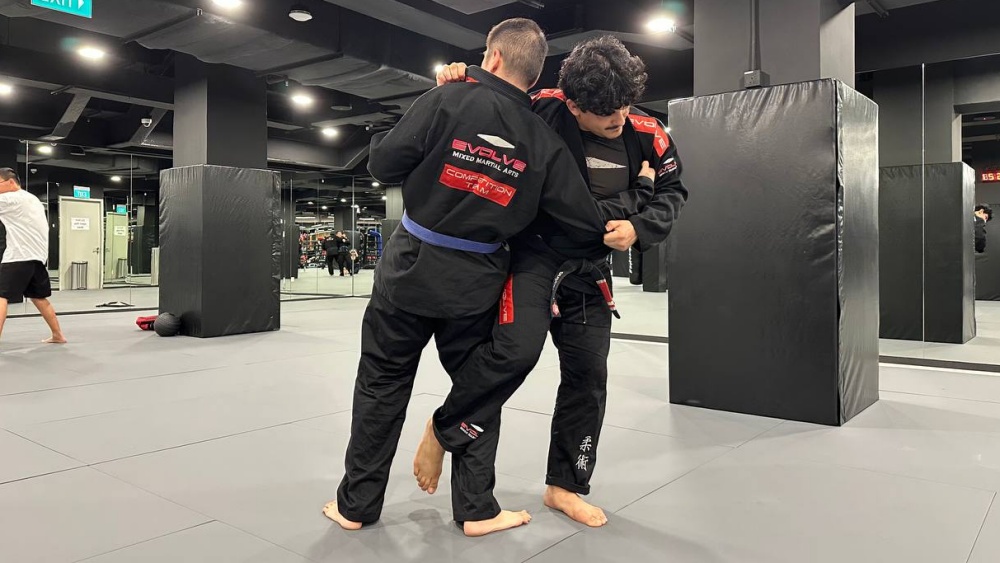
Osoto Gari is a takedown where you off-balance your opponent to the rear and sweep their leg from underneath them using your own leg. The name breaks down to:
- “O” meaning major,
- “Soto” meaning outer,
- “Gari” meaning reap.
It’s a standing throw that uses leverage, timing, and balance rather than brute force. The technique is effective both in Gi and No-Gi settings, which is why it’s popular among Judo practitioners, MMA fighters, and BJJ athletes alike.
How Osoto Gari Works In BJJ
In Brazilian Jiu-Jitsu, takedowns are an important but often underemphasized part of training. While most BJJ matches start standing, many practitioners focus primarily on groundwork. Learning throws like Osoto Gari bridges that gap, giving you confidence to start from the feet and control how the fight goes to the ground.
The mechanics are simple yet precise. You use grips to off-balance the opponent while stepping close to their body. Then, you sweep their leg with your own in a reaping motion, sending them backward while maintaining control. This creates a natural transition into side control, mount, or directly into a submission setup.
Unlike in Judo, where the throw ends the match, BJJ emphasizes control after the throw, making Osoto Gari valuable for gaining dominant position and establishing top pressure.
Step-By-Step Breakdown Of Osoto Gari
- Establish Your Grips: In Gi BJJ, grip your opponent’s collar and sleeve. In No-Gi, use an overhook or collar tie combined with wrist or tricep control.
- Off-Balance The Opponent (Kuzushi): Pull your opponent slightly forward and to the side to make them step and shift their weight onto one leg. This creates the opening for your reap.
- Step Close And Align Your Body: Step next to your opponent’s lead leg. Your chest should stay close to theirs, maintaining upright posture and pressure.
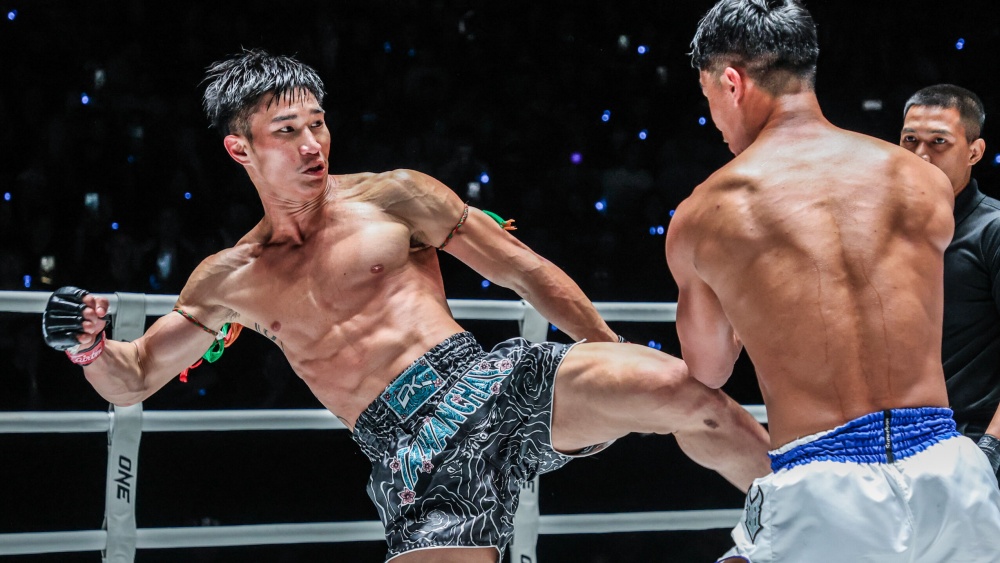
- Reap The Leg: Swing your reaping leg in a wide arc, cutting through the back of your opponent’s standing leg. Keep your leg straight and drive through the motion, not just sweeping with your foot.
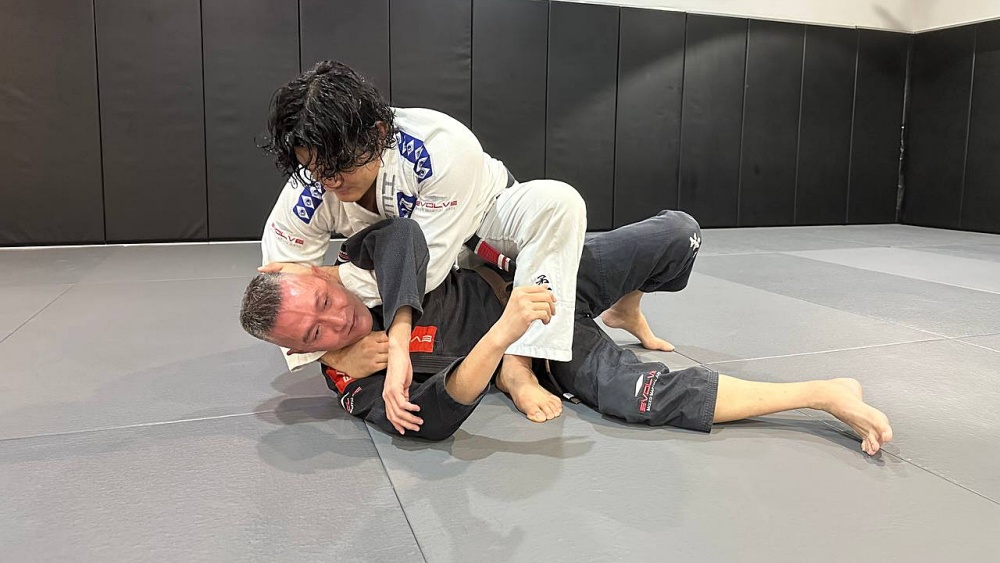
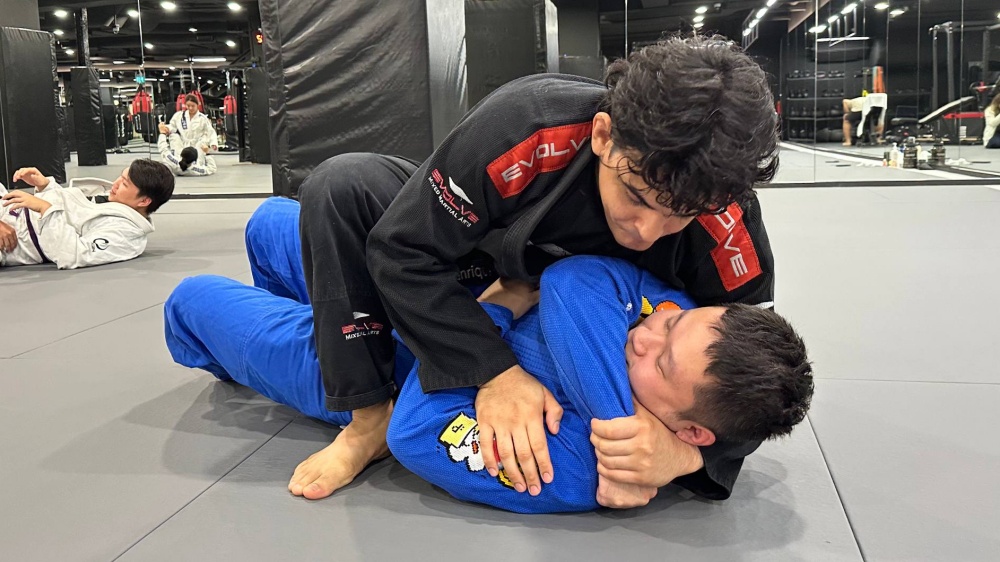
- Control The Fall: As your opponent falls, maintain grips and follow them to the ground. Use the momentum to secure side control or mount.
The key to Osoto Gari is timing. Too early, you’ll lose balance, too late and your opponent resists. Smooth execution comes from drilling and developing awareness of your training partner’s posture.
Common Mistakes To Avoid
- Reaping Too Early: Always break your opponent’s balance before sweeping. Timing is everything.
- Leaning Too Far Forward: Overcommitting can make you lose balance and get countered. Stay upright and controlled.
- Not Following Through: Many beginners stop after the sweep. Always follow the throw to secure control.
- Incorrect Grip Control: Weak grips lead to poor direction. Strong, purposeful grips set the throw up effectively.
- No Hip Engagement: Use your hips and body weight to add force, not just your leg.
Why Osoto Gari Works So Well In BJJ
The Osoto Gari works because it takes advantage of common reactions and posture in BJJ. Many athletes lean backward to defend guard pulls or double-leg entries. This creates the perfect opportunity to step in and reap the leg.
The throw is also versatile. You can use it to counter an opponent’s forward movement, combine it with other takedowns like the Ouchi Gari (inner reap), or use it from a clinch in No-Gi. It’s reliable, efficient, and effective against opponents of all sizes when executed with proper timing.
Additionally, the follow-up control after the throw aligns perfectly with the BJJ strategy. From Osoto Gari, you can land directly in side control, establish head and arm control, or flow into a submission chain.
FAQs About Using The Osoto Gari For Brazilian Jiu-Jitsu
Q: Is The Osoto Gari A Judo Or BJJ technique?
A: Osoto Gari originated in Judo but is now widely used in BJJ. It’s a universal grappling technique that fits well within both arts.
Q: Can Osoto Gari Be Used In No-Gi BJJ?
A: Yes. In No-Gi, you can modify your grips, using an overhook, collar tie, or underhook, to achieve the same off-balancing effect without the Gi.
Q: What Position Would I Land In After The Osoto Gari?
A: Typically, you’ll land in side control or top half guard. Some variations allow you to transition directly to mount or armbar setups.
Q: How Can I Defend Against The Osoto Gari?
A: Maintain upright posture, avoid leaning backward, and circle away from your opponent’s reaping leg. Hand fighting and breaking grips are your key defenses.
Conclusion
The Osoto Gari remains one of the most powerful and adaptable throws in Brazilian Jiu-Jitsu. It teaches the principles of balance, timing, and control, all of which are foundations of any grappling art.
Whether you train for sport, self-defense, or general fitness, understanding the Osoto Gari gives you a valuable tool for controlling engagements from the feet. It is proof that an effective technique doesn’t rely on force but on awareness, leverage, and precision.
You may also like: