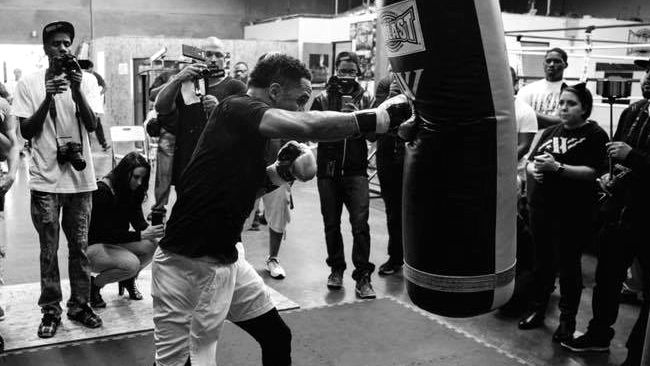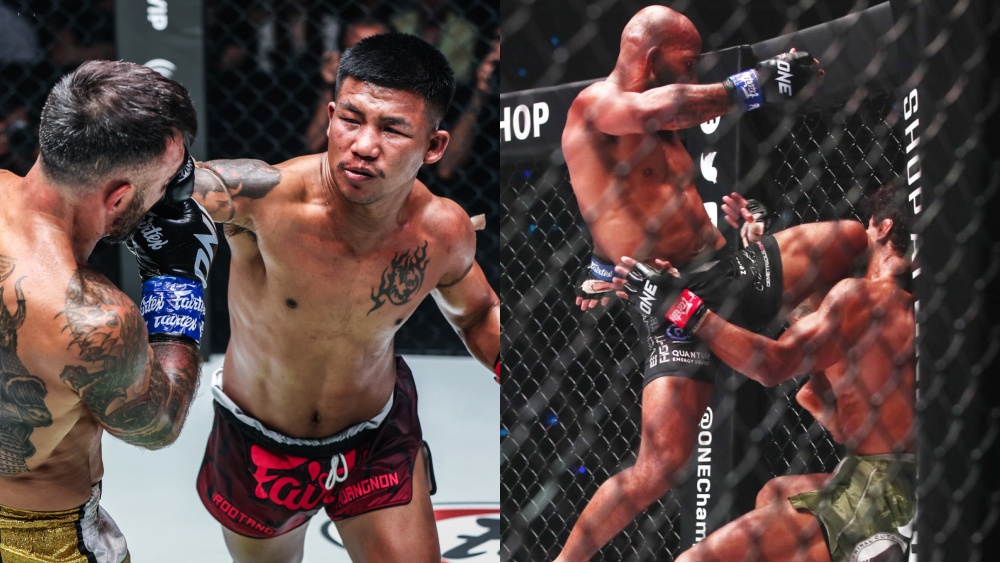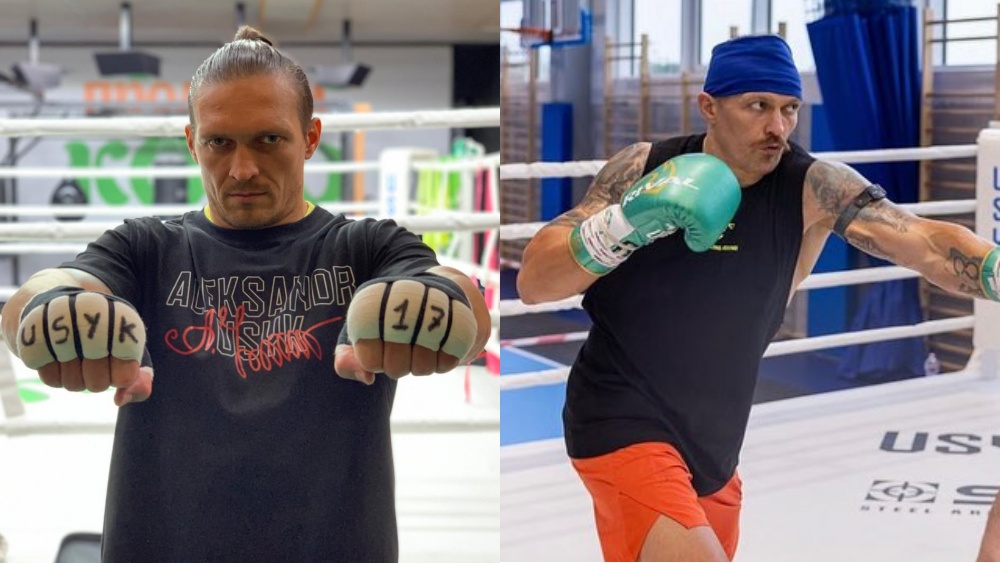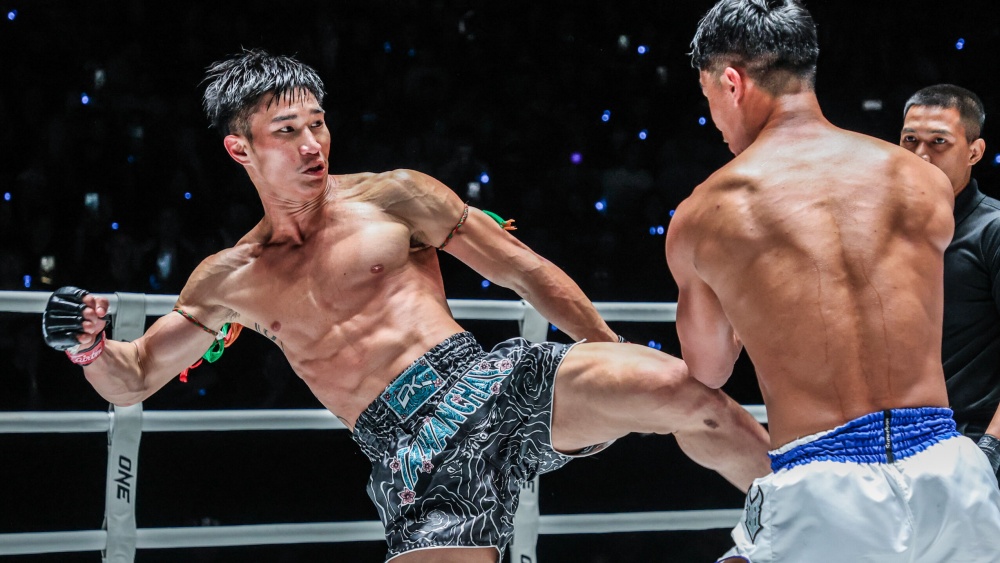
In martial arts, improvement does not come only from sparring or drilling techniques. Another powerful tool for growth is watching fight replays. Whether its a professional bout streamed worldwide or a recorded sparring session in a gym, reviewing fights allows practitioners to see the sport in a different light. Across various disciplines, more martial artists are realizing how much fight replays contribute to building fight IQ. The ability to analyze, reflect, and learn from these moments can transform the way you approach training and competition.
What Is Fight IQ
Fight IQ is the ability to make smart decisions under pressure. It involves reading an opponent’s tendencies, adapting strategies in the moment, and knowing when to attack or defend. Fighters with high fight IQ seem to anticipate moves before they happen, creating opportunities while minimizing risks.
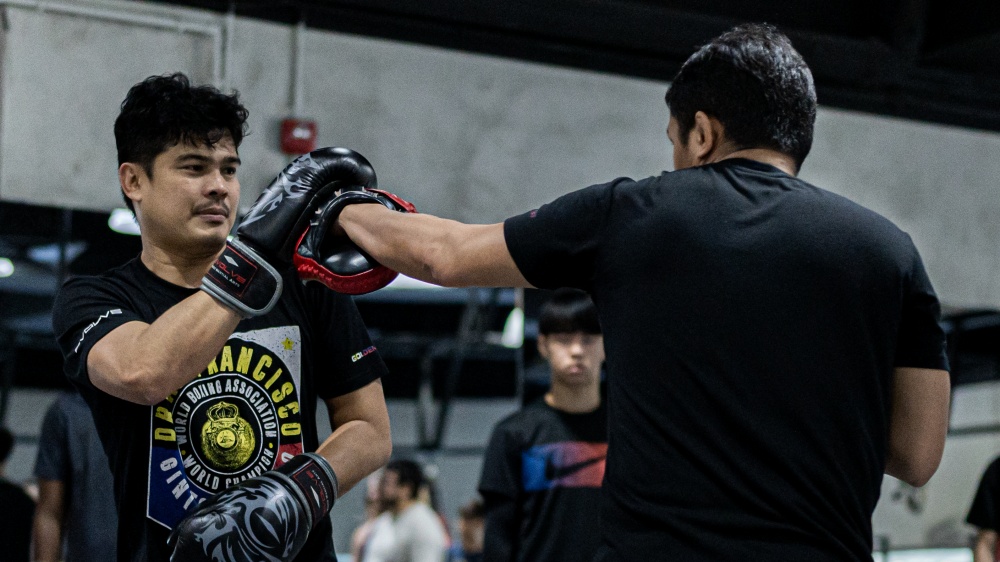
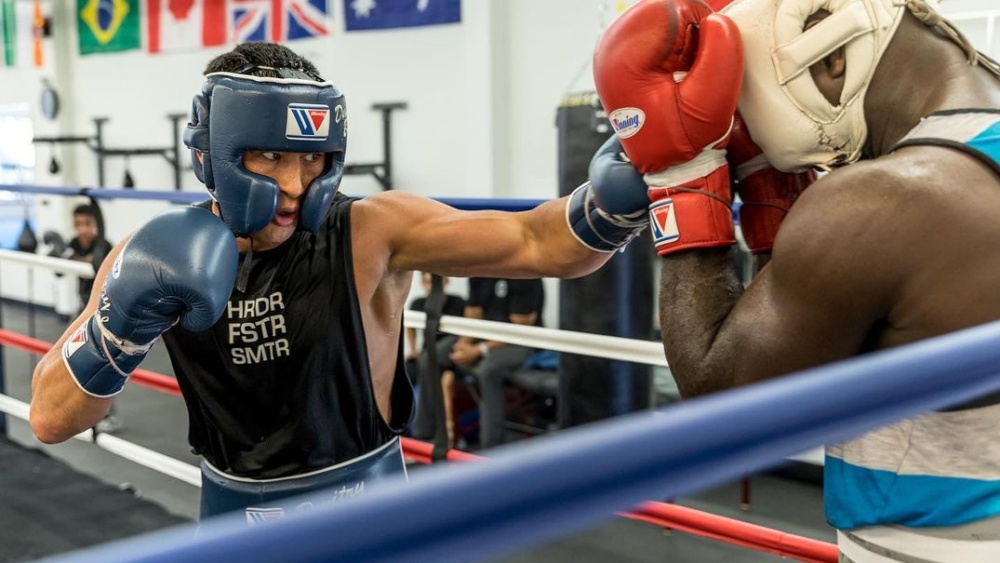
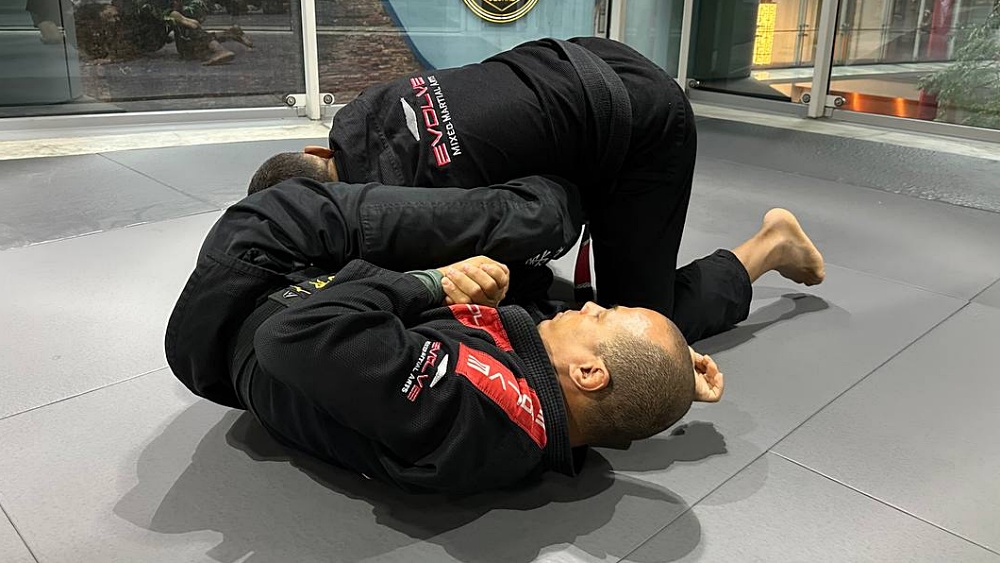
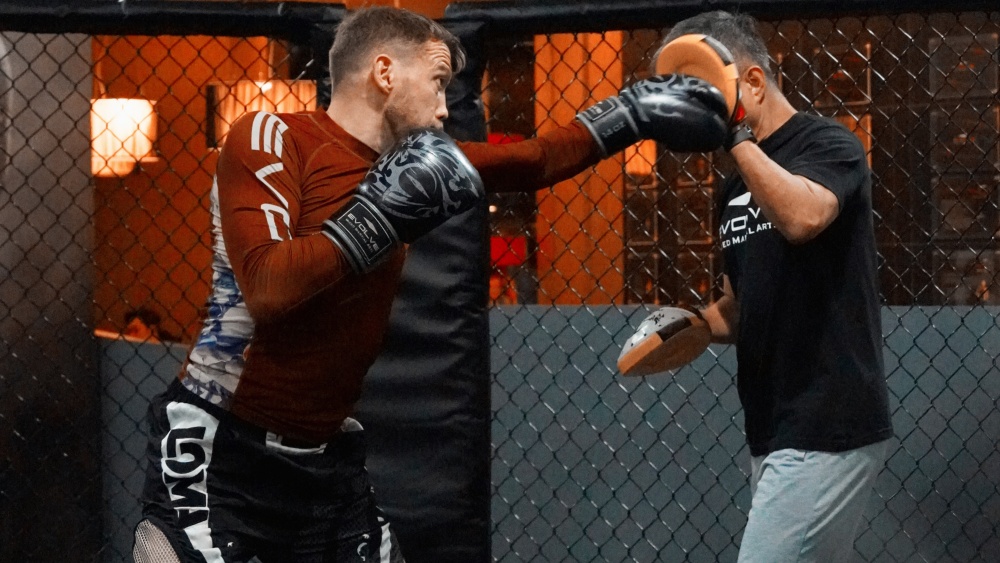
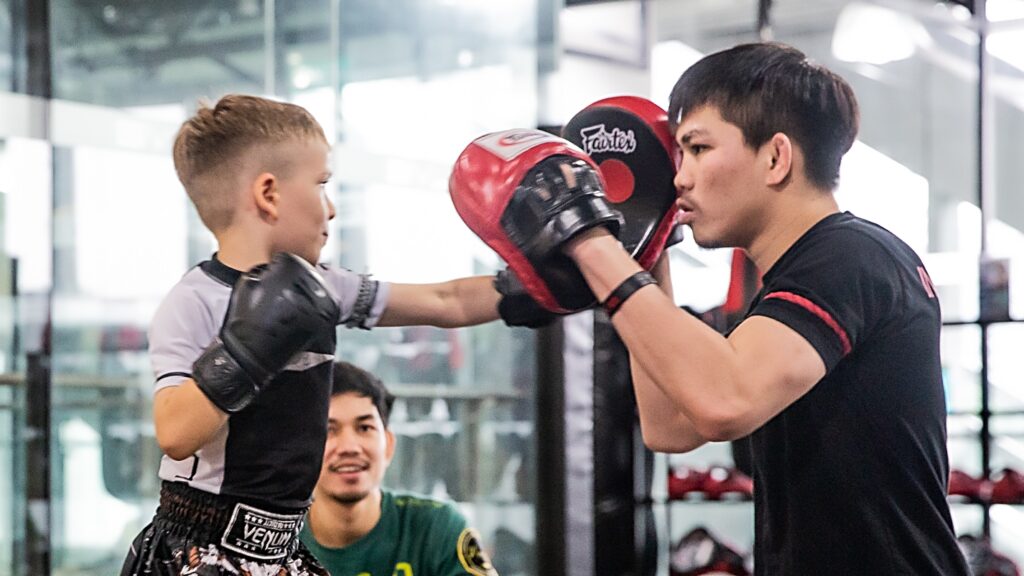
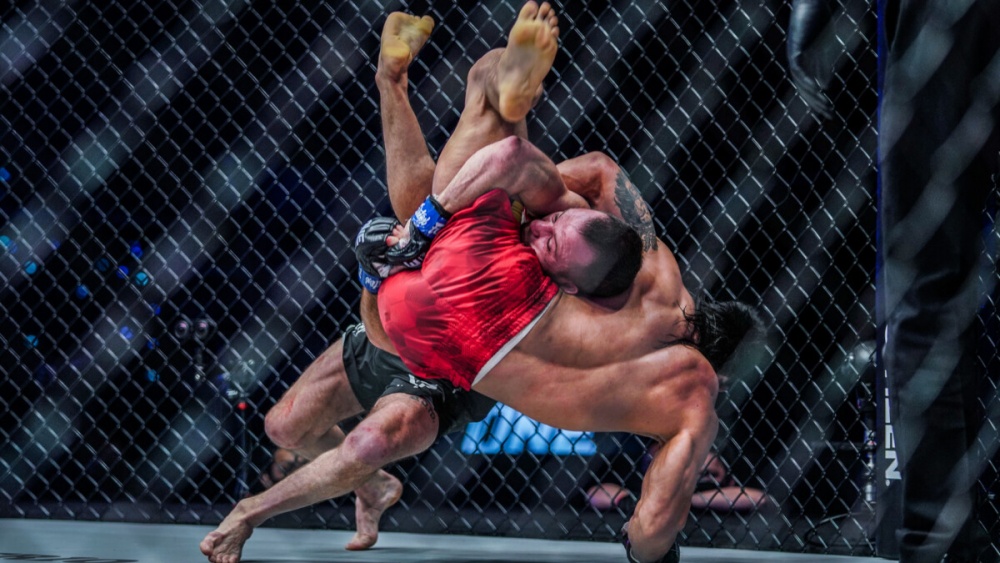
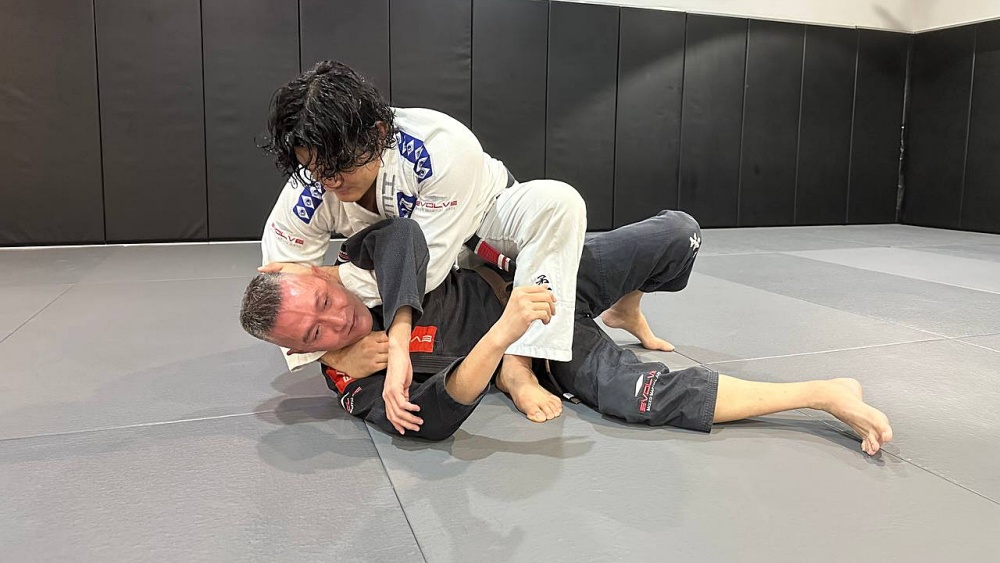
This quality is not limited to professional fighters. Students of Brazilian Jiu-Jitsu, Boxing, Muay Thai, and MMA all benefit from improving their fight IQ. It is what helps a boxer slip at the right time, a BJJ practitioner chain together sweeps, or a Muay Thai fighter adjust to an opponent’s rhythm. While athleticism and technique are important, fight IQ often determines who comes out on top in close battles.
Why Fight Replays Are So Valuable
Watching fights live is exciting, but it is easy to miss details in the moment. Fight replays allow viewers to slow things down and see the finer points of movement, timing, and decision-making. You notice how a fighter sets up a punch with footwork, or how a grappler patiently controls angles before securing a submission.
Replays also highlight strategies. You can see how one fighter adapts after losing an early round, or how another capitalizes on an opponent’s mistake. By observing these adjustments, martial artists develop a deeper appreciation for the mental side of combat.
For students, fight replays provide both inspiration and education. They showcase what is possible at the highest level, while also revealing mistakes that can be avoided.
Learning From The Greats
One of the most effective ways to use fight replays is by studying the legends. Observing how top fighters manage pressure, control distance, execute their signature moves, and remain calm under fire can be just as valuable as hours of drilling.
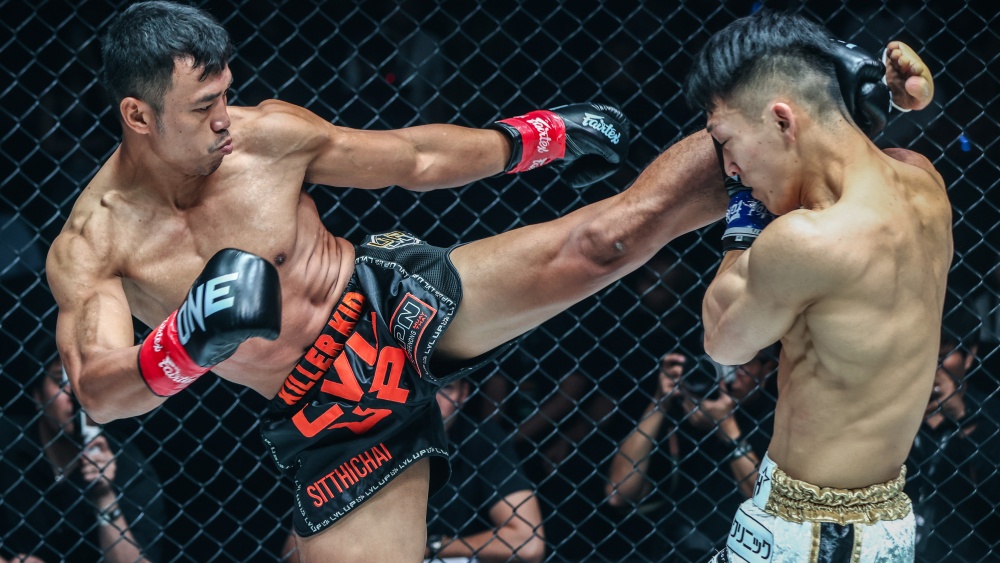
For instance, boxers who study Muhammad Ali notice his use of footwork and timing, while those who watch Floyd Mayweather learn about defensive mastery. In Muay Thai, observing the clinch work of fighters like Dieselnoi or the striking rhythm of Nong-O Hama teaches lessons you cannot fully capture from a textbook. In MMA, athletes like Georges St-Pierre and Khabib Nurmagomedov provide blueprints for control and strategy.
Martial arts gyms often integrate fight replays into classes or seminars, encouraging students to analyze sequences together. This collective study not only deepens understanding but also makes the learning process interactive.
Breaking Down Your Own Sparring Or Fights
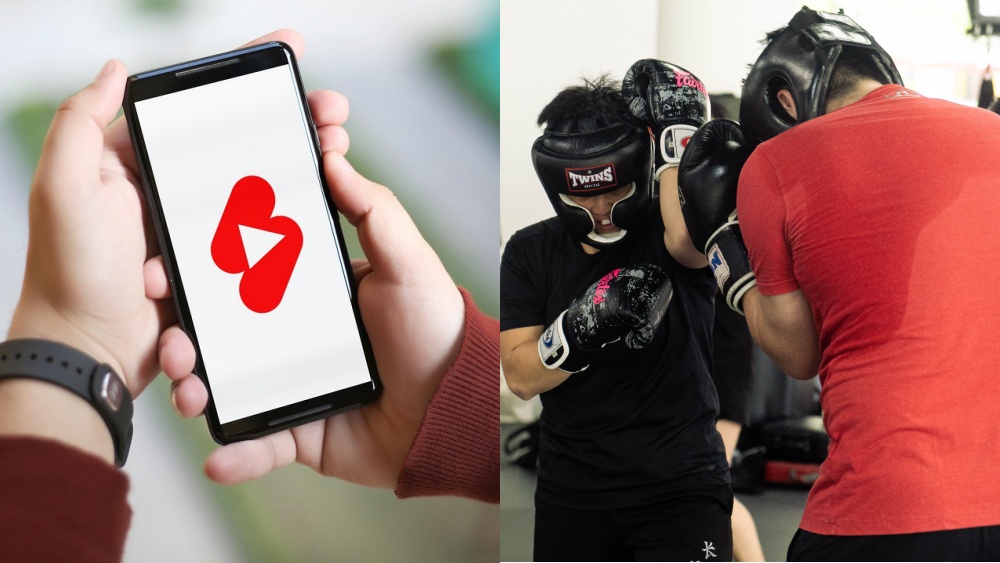
Fight replays are not just for watching professionals. Recording your own sparring rounds or matches and reviewing them is one of the most practical ways to grow. In the heat of the moment, it is difficult to remember every detail of what happened. Replays provide clarity, showing you exactly where you succeeded and where you struggled.
You might notice that your guard drops after throwing combinations, or that you consistently leave space when passing guard. These are details you may not feel during sparring but become clear when watching playback. Reviewing your own performance builds self-awareness, which is key to making adjustments in training.
Many fighters and students treat this process like a study session. They watch their footage, take notes, and discuss with coaches. This reflective habit helps them approach sparring as a learning experience rather than just physical practice.
Building Habits From Replay Analysis
The most important step in using fight replays is turning observations into action. Watching without applying change does little to improve fight IQ. The insights you gain from replays should be translated into drills, strategies, and conscious adjustments during training.
For example, if you notice that a professional fighter uses feints to set up kicks, you can practice that sequence in class. If you see in your own sparring footage that you struggle with defending takedowns, you can dedicate extra time to drilling sprawls. Over time, these small refinements add up, sharpening both technique and decision-making.
Replay analysis also builds patience. Instead of rushing to fix everything at once, you learn to work on one or two aspects at a time. This steady improvement mirrors the process of martial arts itself of consistent effort that leads to lasting growth.
Final Thoughts
Fight IQ separates good martial artists from great ones, and fight replays are one of the most effective tools for developing it. They allow practitioners to study strategy, learn from mistakes, and gain new perspectives that are not always clear in live action. Whether you are watching legends on the global stage or reviewing your own sparring rounds, fight replays turn every exchange into a lesson.
For martial artists of all disciplines, incorporating replay study into training is a simple but powerful way to accelerate growth. By combining practice on the mats with reflection off them, you build the awareness and adaptability that define high-level fighters.
You may also like: